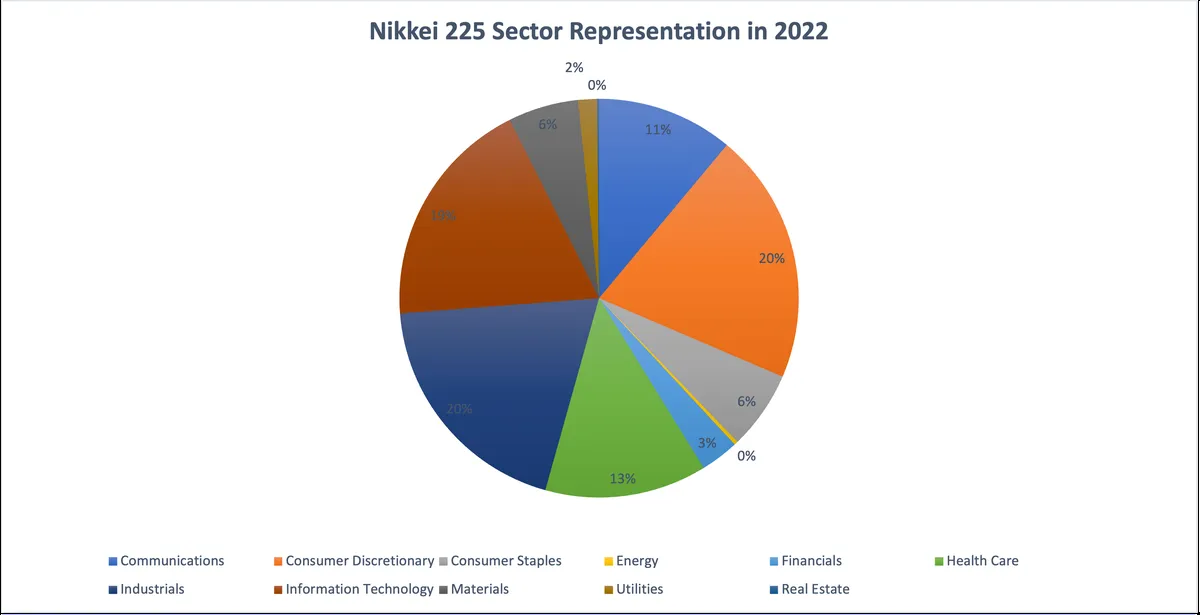
“The index rose 0.97% to 52,017, with gains broadening through the session as cash market liquidity improved,” analysts noted, reflecting a cautious optimism in the Japanese stock market.
After a tumultuous two-day slide that saw the Nikkei 225 drop over 3,700 points, this rebound signals a potential stabilization. The rise was primarily fueled by strong performances in the pharmaceutical and metals sectors, with Sumitomo Dainippon leading the charge with a remarkable 6.70% increase, followed closely by Astellas Pharma at 5.46% and Sumitomo Metal Mining at 5.18%.
However, not all stocks shared in the recovery. Nintendo Co emerged as one of the weakest performers, declining by 4.12%, highlighting the uneven nature of the market’s rebound.
The backdrop of this volatility includes a weaker yen, which was reported at around 160 against the USDJPY. A weaker yen tends to lift exporters’ reported revenues and margins, which can support indices, making this a critical factor for investors to consider.
Japan’s government has also issued warnings regarding potential interventions to curb disorderly foreign exchange moves, indicating a proactive stance in managing currency fluctuations that could impact the market further.
Despite the positive turn in the Nikkei 225, market volatility remains elevated, with experts advising caution. “The market continues to be very noisy and difficult, but I think at this point in time you need to be very cautious about getting overly aggressive with any position size in any index around the world,” one analyst remarked.
As the Nikkei 225 closed up 501 points on Tuesday, investors are left to ponder the sustainability of this rebound amidst ongoing geopolitical tensions and economic uncertainties.
Details remain unconfirmed regarding the long-term implications of these market movements, but the immediate gains have provided a glimmer of hope for investors navigating these turbulent waters.