Key moments
On April 7, 2026, the National Board of Examinations in Medical Sciences (NBEMS) announced the results for the Graduate Pharmacy Aptitude Test (GPAT) 2026. This pivotal examination, which took place on March 7, 2026, serves as a gateway for aspiring pharmacy students across India, and the release of the results marks a significant milestone in their academic journeys.
A total of 5,362 candidates successfully qualified for the GPAT 2026, a noteworthy achievement considering that 53,617 candidates appeared for the test. The results reflect not only the hard work and dedication of the candidates but also the competitive nature of the examination, which is conducted in a computer-based format.
The GPAT scorecard is valid for three years, providing successful candidates with ample opportunity to pursue their academic and professional goals in pharmacy. The minimum qualifying scores were set at the 50th percentile for General and Economically Weaker Sections (EWS) candidates, while OBC, SC, and ST candidates were required to achieve at least the 45th percentile to qualify.
For those who qualified, the GPAT 2026 cut-off scores were announced category-wise, with the General category requiring a score of 96.258, OBC-NCL at 90.08, SC at 76.47, and ST at 57.39. These cut-off scores are crucial as they determine eligibility for various postgraduate pharmacy programs across the country.
Candidates can download their GPAT rank cards from the official NBEMS website, natboard.edu.in, which includes essential details such as the candidate’s name, roll number, and qualifying status. This accessibility is vital for candidates as they prepare for the next steps in their educational pursuits.
As the examination authority prepares to release the final answer keys on or after April 15, 2026, candidates eagerly await further details regarding their performance. In instances where candidates have the same score, tie-breaking criteria will be applied to ensure fairness in ranking.
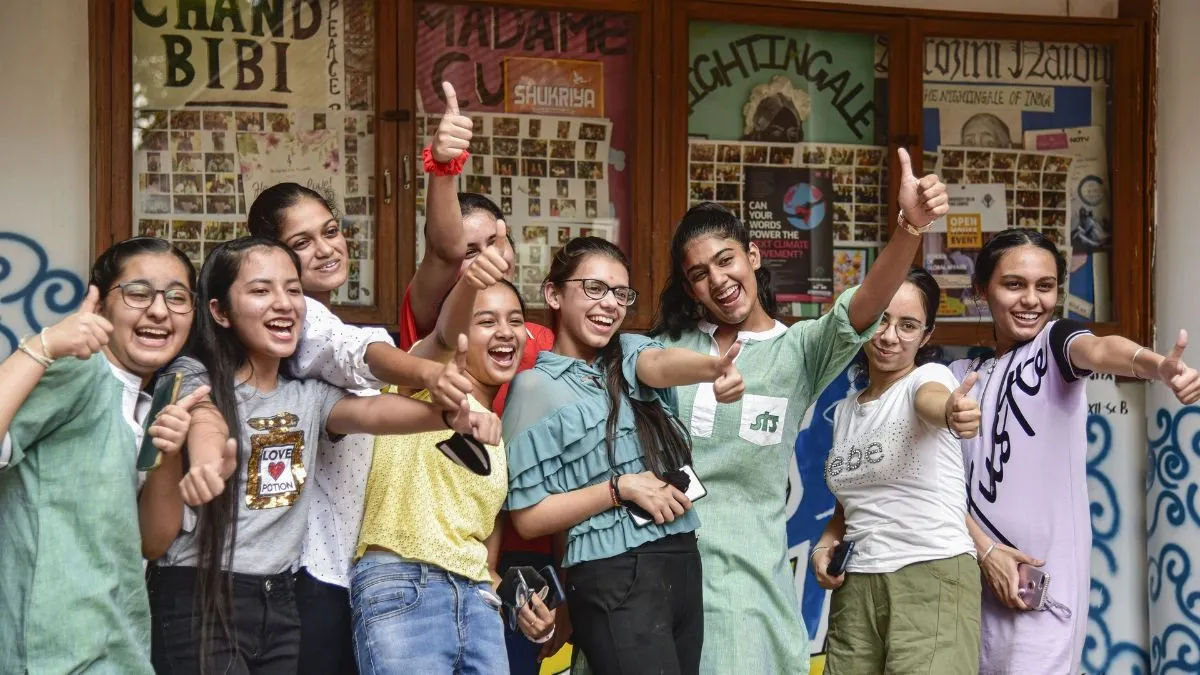
The announcement of the GPAT 2026 results has elicited a range of reactions from candidates and educational institutions alike. Many candidates expressed relief and joy at their results, while educational institutions are now gearing up to accommodate the influx of new students into their pharmacy programs. This year’s results not only highlight individual achievements but also reflect the growing importance of pharmacy education in India.