Reaction from the field
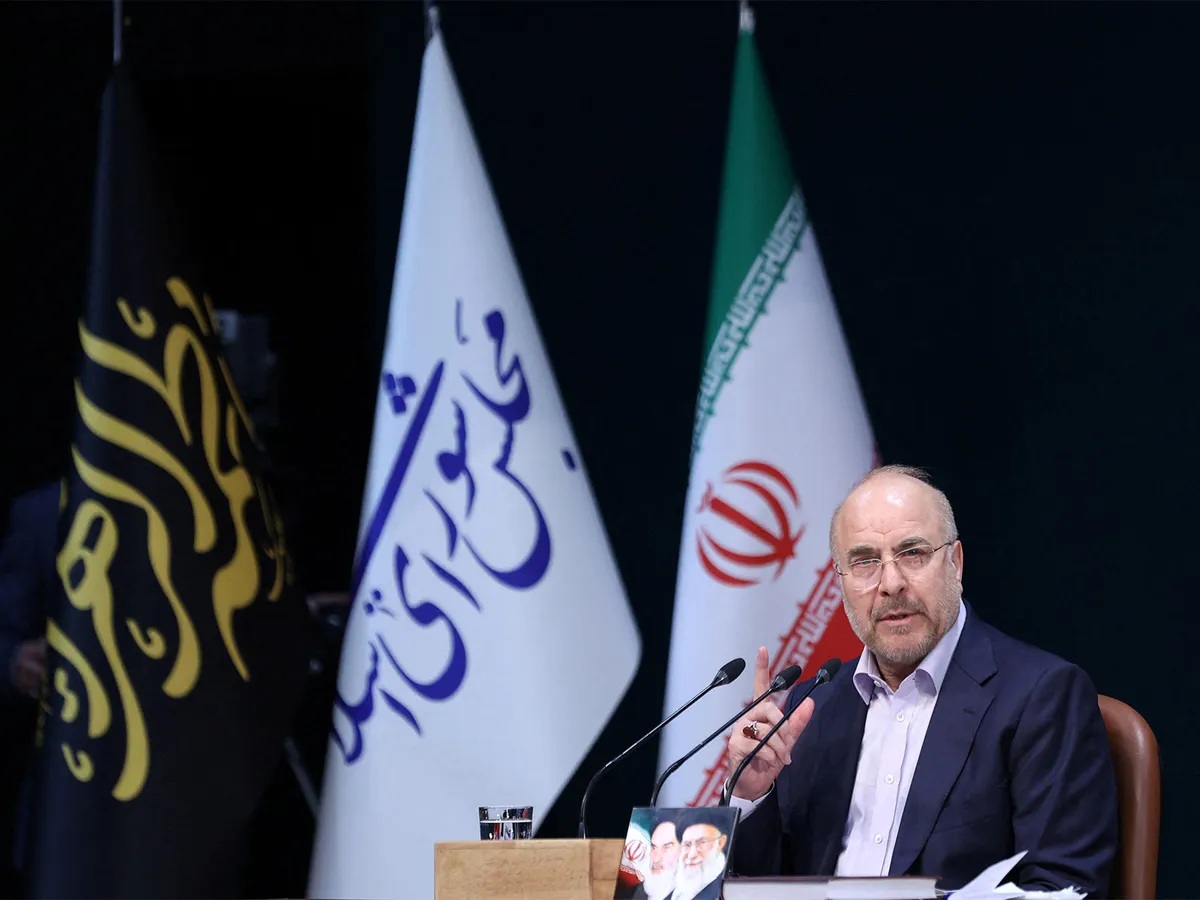
In a significant escalation of rhetoric, Iranian Parliament Speaker Mohammad Bagher Ghalibaf has condemned what he describes as the enemy’s aggression, specifically targeting the United States. His remarks, delivered on March 31, 2023, in Tehran, underscore the tense atmosphere surrounding US-Iran relations, particularly in light of ongoing military maneuvers in the region.
Ghalibaf’s warning was unequivocal: any ground invasion by the US would be met with a “relentless” and “decisive” response. This statement not only reflects Iran’s military posture but also serves as a rallying cry for national unity against perceived external threats. He emphasized that Iranian forces are on high alert, “waiting” for any US soldiers attempting a ground entry into Iranian territory.
Moreover, Ghalibaf accused the US of using diplomatic overtures as a facade for secret invasion plans, suggesting a deep mistrust that has characterized US-Iran relations for decades. His assertion that Tehran would no longer distinguish between US and Israeli actions indicates a potential shift in Iran’s strategic calculus, potentially broadening the scope of its military responses.
Ghalibaf’s rhetoric is set against the backdrop of a historically fraught relationship between Iran and the US, particularly following the 1979 Iranian Revolution and subsequent sanctions. The situation in the strategically vital Strait of Hormuz remains precarious, and Ghalibaf’s comments signal that it will not return to its pre-war status anytime soon.
In a related context, the geopolitical landscape is further complicated by figures such as Nabil Gabol, who recently denied any connections to notorious criminal Dawood Ibrahim. Gabol’s statements come amid heightened scrutiny and speculation regarding his ties to organized crime, illustrating the complex interplay of politics and security in the region.
As tensions rise, the implications of Ghalibaf’s statements extend beyond mere rhetoric. His declaration that “if they hit one, they’ll take several back” encapsulates a mindset of retaliation that could have dire consequences for regional stability. The Iranian leadership appears resolute in its commitment to defending its sovereignty against what it perceives as encroachment by foreign powers.
Looking ahead, the international community watches closely as the situation develops. The potential for military confrontation looms large, and diplomatic channels may be tested as both sides navigate this fraught landscape. Details remain unconfirmed regarding the exact nature of US military plans, but Ghalibaf’s warning serves as a stark reminder of the high stakes involved.
In conclusion, Ghalibaf’s statements reflect a broader narrative of resistance that resonates deeply within Iranian society. As the geopolitical chess game unfolds, the world must remain vigilant, aware that the consequences of miscalculation could be profound.