How it unfolded
As the financial markets opened on March 23, 2026, the atmosphere was charged with uncertainty. Investors were already on edge due to the previous week’s significant fluctuations in gold prices, which had seen a dramatic crash of more than 10%. The opening of the MCX gold rate at ₹1,40,158 per 10 grams marked a concerning start, as it was 3% lower than the previous close.
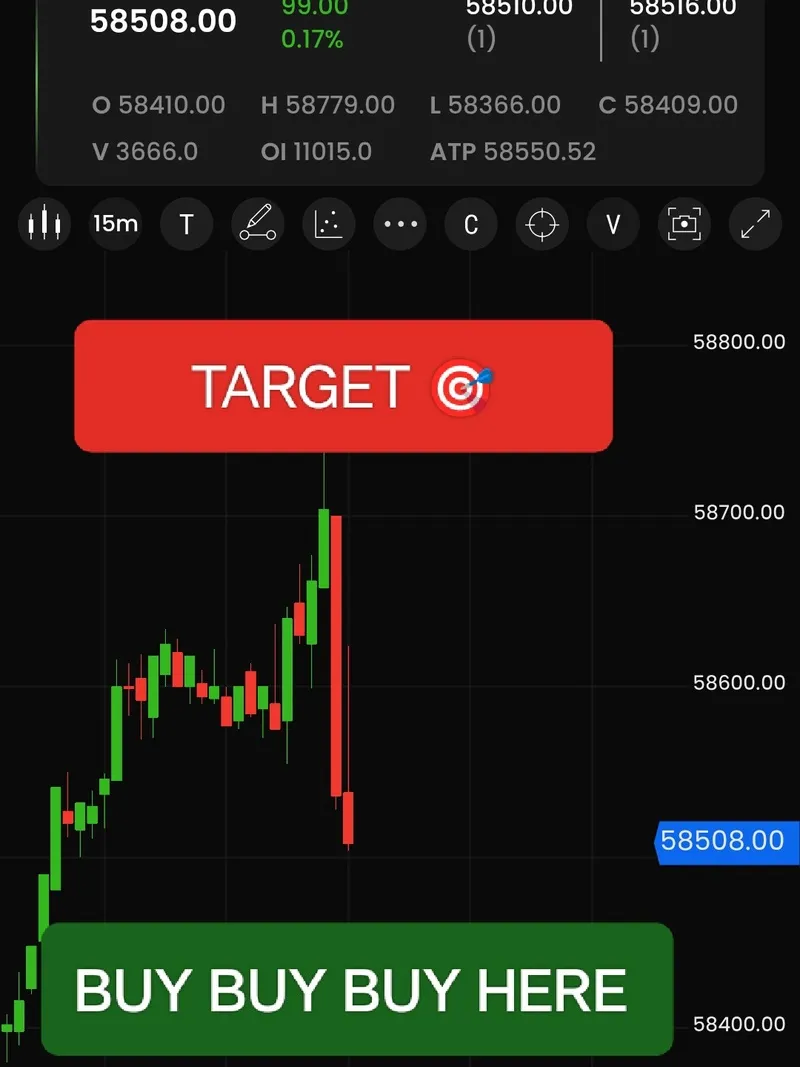
By 11:15 AM, the situation had worsened considerably. The MCX gold price plummeted to ₹1,33,596 per 10 grams, reflecting a staggering drop of ₹10,896, or 7.54%. This decline was part of a broader trend, with the gold price hitting a low of ₹1,33,352, indicating a total slip of ₹11,140, or 7.70%. Such drastic changes in price are alarming for investors and traders alike, as they signal a volatile market.
The decline in gold prices was not isolated; it mirrored a similar downturn in the silver market. The MCX silver price opened at ₹2,17,702 per kg and crashed as much as 11.31% to reach ₹2,01,111. This simultaneous drop in both precious metals highlights a broader trend affecting commodities, driven by various economic factors.
Throughout March, the MCX gold price has fallen by an alarming 15%, a trend that has raised eyebrows among market analysts. Jigar Trivedi noted, “MCX gold price has fallen 15% in March so far, while MCX silver rate has dropped 25% so far in this month.” This significant correction in prices is indicative of a larger market sentiment that is increasingly bearish.
Underlying these fluctuations are multiple global and domestic factors, including escalating geopolitical tensions, particularly involving the United States and Iran. These tensions have historically influenced gold prices, as investors often turn to gold as a safe haven during times of uncertainty. The ongoing slide has pushed gold prices to their lowest levels since early January, creating a challenging environment for investors.
As the market continues to react to these developments, analysts are closely monitoring the potential for further declines. The probability of a rate hike at the upcoming Federal Reserve meeting on June 17, 2026, has risen to approximately 22%. This potential shift in monetary policy could further impact gold prices, as rising interest rates typically lead to a stronger dollar, which inversely affects gold.
Currently, many experts suggest that the MCX gold price may find support at levels between ₹1,33,000 and ₹1,30,000. Similarly, the MCX silver price is expected to find support at ₹2,00,000 to ₹1,85,000 levels. Ajay Kedia remarked, “The overall trend for gold prices remains negative, and investors can sell on rise from these levels.” This sentiment reflects a cautious approach as traders navigate the unpredictable market landscape.
In summary, the recent plunge in MCX gold prices is a significant development that underscores the complexities of the current economic climate. The interplay of geopolitical tensions, market reactions, and potential shifts in monetary policy will continue to shape the future of gold and silver prices in India and beyond. As investors brace for what lies ahead, the importance of staying informed and adaptable cannot be overstated.