Key moments
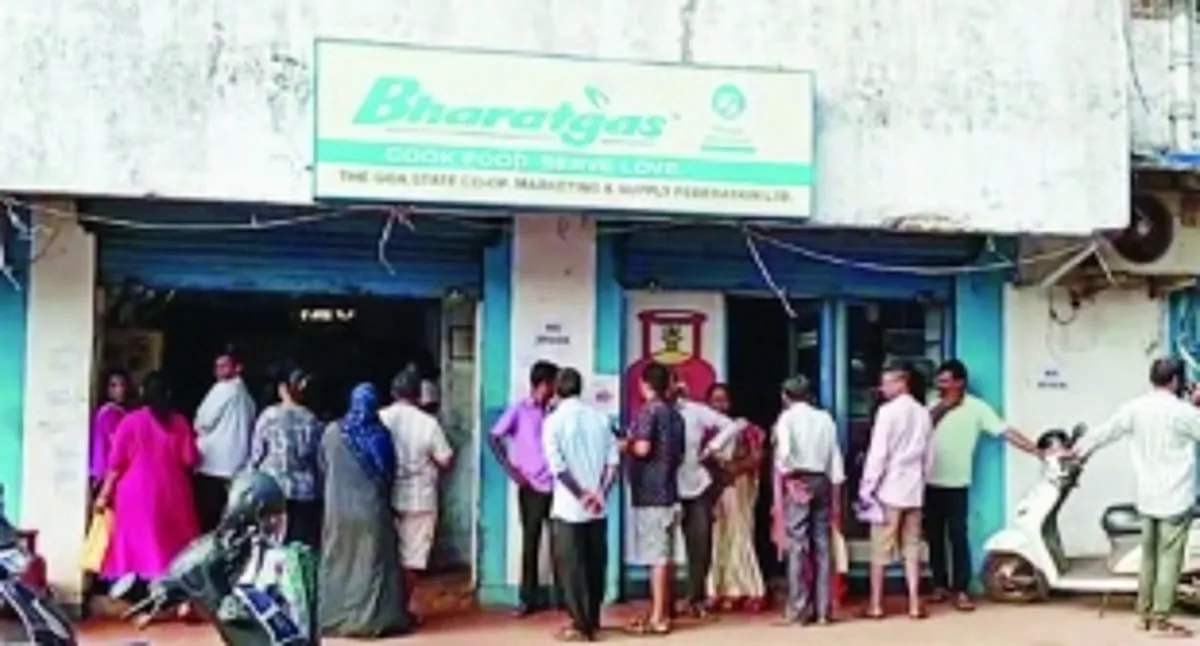
On March 25, 2026, Delhi finds itself in the throes of a significant LPG gas cylinder shortage, prompting protests from the Aam Aadmi Party (AAP) as citizens struggle to secure this essential commodity. Long queues have formed across the city and the nation, with many individuals waiting for hours to obtain a single gas cylinder, which is now being sold at alarming prices ranging from ₹5000 to ₹6000.
The immediate circumstances surrounding this crisis are dire. AAP MLAs, including prominent figures like Atishi and Sanjeev Jha, have voiced their concerns, stating that “Narendra Modi Ne Kiya Surrender, Gayab Hua Gas Cylinder” and highlighting the devastation faced by families unable to access gas for cooking. Jha further remarked, “There is devastation across the country and people are not getting gas cylinders,” underscoring the widespread impact of this shortage.
The situation is not limited to Delhi; it has rippled through various sectors in India. In Meghalaya, for instance, the tourism sector is facing significant challenges due to a lack of commercial LPG. Hotels and restaurants are scaling down operations, and essential services like hospitals are being prioritized for the limited LPG stocks available. The hospitality sector has warned that prolonged shortages could severely affect tourist experiences, especially given that Meghalaya attracted 1.6 million tourists last year.
As the crisis unfolds, it is essential to understand the broader context. The current gas supply issues are closely linked to geopolitical tensions affecting imports from the Middle East, particularly the blockage of the Strait of Hormuz. In response to these challenges, the Indian government has mandated a transition from LPG to piped natural gas (PNG) in areas where it is available. Households will have a three-month window to switch to PNG once notified, or they risk having their LPG supply discontinued.
Officials are pushing for a rapid expansion of natural gas pipelines across India to reduce dependence on imported LPG, a move aimed at addressing not just the current crisis but also future energy security. However, the transition raises questions about accessibility and the readiness of infrastructure to support such a shift.
In the face of these challenges, citizens are finding creative solutions to cope with the shortage. Some have resorted to organizing ‘bhandara(s)’—community meals—while others are preparing fasting meals at home due to the unavailability of gas cylinders. Kuldeep Kumar, another AAP member, lamented, “People need to organise ‘bhandara(s)’ and prepare fasting meals at home, but there are no cylinders,” reflecting the desperation felt by many.
As the protests continue and the government faces mounting pressure to resolve the crisis, the reactions from both the public and officials will be crucial in shaping the response to this unfolding situation. The AAP has been vocal in its criticism of the central government, while the BJP has yet to release a comprehensive statement addressing the concerns raised by the opposition.
Details remain unconfirmed regarding the full extent of the government’s plans to alleviate the LPG shortage, but the urgency of the situation is palpable as citizens across Delhi and beyond await solutions to this pressing issue.