The wider picture
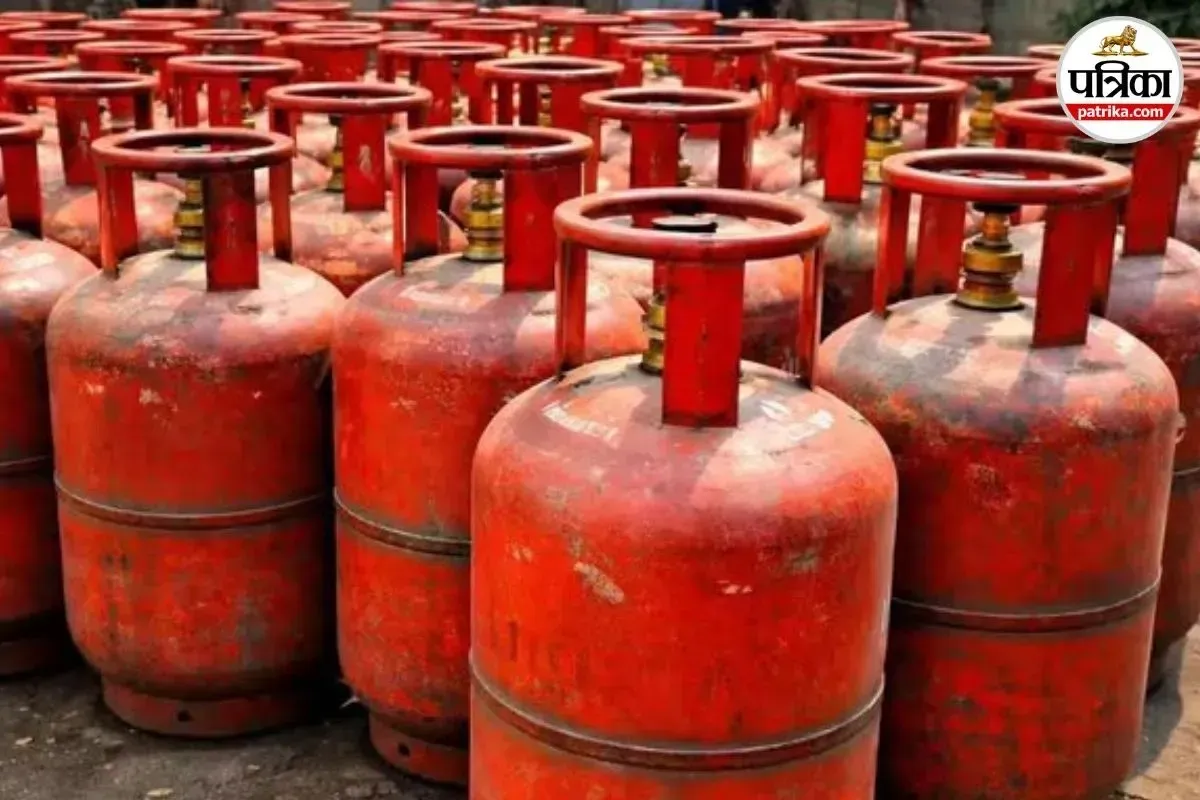
Concerns about LPG supply arose amid geopolitical tensions affecting global energy supply chains. As consumers increasingly rely on liquefied petroleum gas for cooking and heating, any disruption in supply can lead to significant anxiety. This backdrop has prompted scrutiny of the rules governing LPG gas cylinder bookings, leading to widespread speculation about potential changes.
On March 25, 2026, the Ministry of Petroleum and Natural Gas issued a statement clarifying that no changes have been made to the existing LPG booking rules. This announcement came in response to reports suggesting revised timelines for booking gas cylinders, which had caused confusion among consumers. The ministry emphasized that the current refill booking timelines remain unchanged and continue to function under the existing time limits.
For consumers with two LPG cylinders, the booking timeline remains set at 35 days. Meanwhile, those enrolled in the Ujjwala Yojana, a government initiative aimed at providing clean cooking fuel to low-income households, can book a gas cylinder after 45 days. Additionally, bookings for the 10 kg composite domestic cylinder will be accepted after 18 days, ensuring that various consumer needs are met.
In urban areas, single-cylinder households can book their LPG cylinders after 25 days, while rural households face a longer wait of 45 days. These timelines are crucial for consumers who depend on LPG for their daily cooking needs, and any misinformation regarding these rules can lead to unnecessary panic and inconvenience.
The Indian Oil Corporation also weighed in on the situation, reiterating that reports claiming changes in LPG refill booking timelines are incorrect. This statement aligns with the ministry’s clarification, reinforcing the message that consumers can continue to rely on the established booking processes.
Consumers have multiple options for booking LPG cylinders, including phone calls, SMS, and WhatsApp, making the process accessible and convenient. This flexibility is particularly important in today’s fast-paced world, where digital communication plays a pivotal role in everyday transactions.
As the geopolitical landscape continues to evolve, observers note that the stability of LPG supply remains a priority for both consumers and officials. The Ministry of Petroleum and Natural Gas has assured the public that the existing systems are in place to ensure a steady supply of LPG, despite any external pressures that may arise.
While the current booking rules provide a framework for consumers, the ongoing situation highlights the importance of clear communication from authorities to prevent misinformation. As the energy landscape continues to shift, stakeholders will be watching closely to see how these dynamics unfold in the coming months. Details remain unconfirmed regarding any future adjustments to the booking rules, but for now, consumers can proceed with confidence in the established timelines.