The wider picture
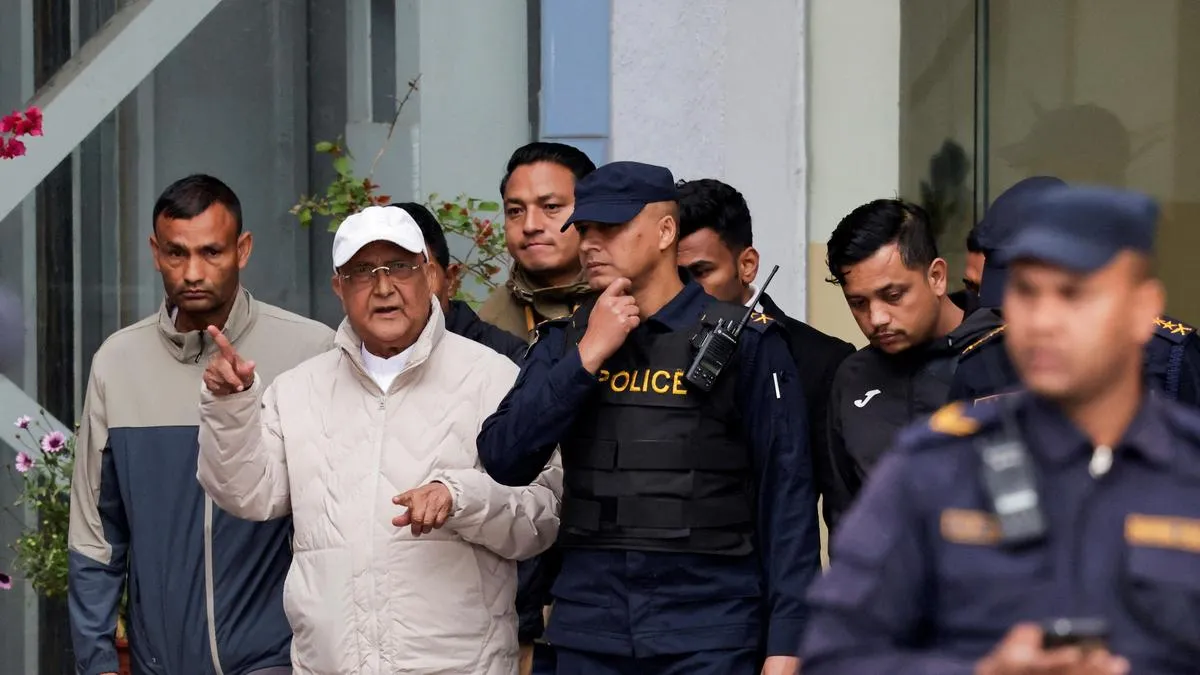
K.P. Sharma Oli, a prominent figure in Nepalese politics and former Prime Minister, was arrested on March 28, 2026, in Bhaktapur, Nepal. This arrest comes in the wake of the Gen Z protests that erupted in September 2025, which were fueled by widespread discontent over economic hardships and governance issues in the country. The protests resulted in a tragic loss of life, with 76 fatalities reported, including at least 19 individuals killed during police firing on September 8, 2025.
The Gen Z protests were a significant response from the youth of Nepal, who demanded clean governance and accountability. As the protests escalated, the situation became increasingly volatile, leading to the tragic events that prompted a probe commission to investigate the actions of the government and law enforcement. The commission’s findings recommended the prosecution of K.P. Sharma Oli and Ramesh Lekhak for negligent killings, marking a critical moment in the pursuit of justice.
Oli was apprehended at his residence in Gundu, Bhaktapur, just a day after a new government led by Balendra Shah was sworn in. This transition in leadership has been viewed by many as a potential turning point for Nepal, as the new administration seeks to address the grievances that sparked the protests. Sudhan Gurung, the new Home Minister, stated that the arrests signify the beginning of justice, emphasizing that “a promise is a promise: No one is above the law.” This statement reflects the government’s commitment to accountability in the wake of the tragic events.
In contrast, Oli’s party, the Communist Party of Nepal (Unified Marxist–Leninist), has vehemently opposed the arrests, claiming they are politically motivated and unconstitutional. Yogesh Bhattarai, a spokesperson for the party, expressed outrage, stating, “We will protest in the strongest form as our chairman Oli has been arrested unconstitutionally and illegally.” This reaction underscores the deep divisions within Nepalese politics and the challenges the new government may face as it navigates these turbulent waters.
As the situation unfolds, K.P. Sharma Oli was taken to a hospital for a check-up following his arrest, raising concerns about his health and well-being. Observers are keenly watching how the courts will respond, as a decision regarding the custody of Oli and Lekhak is expected after the courts reopen on Sunday. The political landscape in Nepal remains precarious, with many questioning the implications of these arrests for the future of governance in the country.
While the new government aims to restore order and address the demands of the youth, the path forward is fraught with uncertainty. Hari Sharma, a political analyst, noted, “The youth demanded clean governance and accountability, but this must be achieved through the rule of law, not rule by law.” This sentiment encapsulates the delicate balance the new administration must strike as it seeks to implement reforms while managing the expectations of a restless populace.
As the dust settles from these significant developments, the broader implications of K.P. Sharma Oli’s arrest will likely resonate throughout Nepalese society. The outcome of this situation could set a precedent for how political leaders are held accountable in the future, shaping the trajectory of governance in Nepal for years to come. The unfolding events serve as a reminder of the power of civic engagement and the demand for justice in the face of adversity.