Harman Preet Singh’s Perspective on Performance
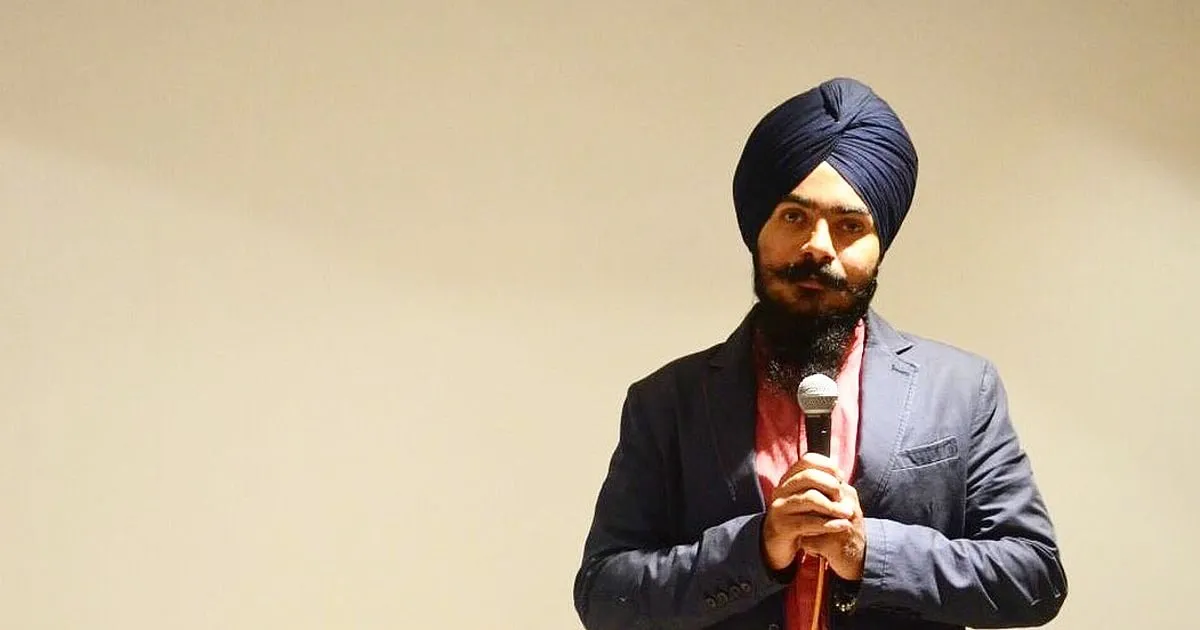
“I thought about it in two frames only: how I look and how I want to be perceived,” stated comedian Harman Preet Singh, reflecting on his journey in the Kannada comedy scene. Singh, who performs in Kannada, Hindi, and English, has carved a niche for himself in Bengaluru’s vibrant comedy landscape.
Singh’s set titled ‘Heart Alli Kaveri,’ which runs for 12 minutes, showcases his unique approach to humor, blending cultural references and personal anecdotes. Notably, 60% of his performance is in Kannada, while he incorporates 40% of content for those who may not be fluent in the language. This bilingual approach has resonated with audiences, leading to his bit ‘Should North Indians Learn Kannada’ garnering an impressive 3.5 million views on Instagram.
The Cultural Context of Kannada Comedy
Singh’s foray into Kannada comedy was not initially planned. “It was never my plan to perform in Kannada, but Kamath, Kashyap and a bunch of other comics were quite open to me performing,” he explained. This openness among fellow comedians has fostered a supportive environment for artists exploring the nuances of Kannada humor, which is often intertwined with the cultural fabric of Karnataka.
However, Singh’s journey has not been without challenges. He faced backlash and even death threats that led to the cancellation of a show in Chennai. “I got a little hate from both sides, but I realised that this is just part and parcel of being on the internet,” he remarked, highlighting the complexities of navigating public perception in the digital age.
Historical Significance of Kannada Adaptations
The evolution of Kannada as a medium for performance art has deep historical roots. Kannada adaptations of Shakespeare’s works date back to 1871, with DV Gundappa’s translation of Macbeth marking the first faithful rendition of a Shakespearean play in the language. This historical context enriches the contemporary landscape of Kannada theatre and comedy, illustrating a long-standing tradition of cultural adaptation.
Roopa Pai, a noted author, aptly stated, “Forsooth, the versatile Bard still lives and thrives in Kasturi Kannada,” underscoring the enduring relevance of Shakespeare’s works in the Kannada-speaking community. The adaptation of Shakespearean themes into Kannada cinema, including notable works like The Taming of the Shrew, further emphasizes the language’s capacity to convey complex narratives and humor.
Looking Ahead
As Kannada comedy continues to evolve, the contributions of artists like Harman Preet Singh are vital in shaping its future. With a growing audience and increasing acceptance of diverse comedic styles, the landscape is ripe for further exploration and innovation. While details about upcoming performances remain unconfirmed, the anticipation surrounding Singh’s work suggests that Kannada comedy is poised for greater recognition both locally and beyond.