How it unfolded
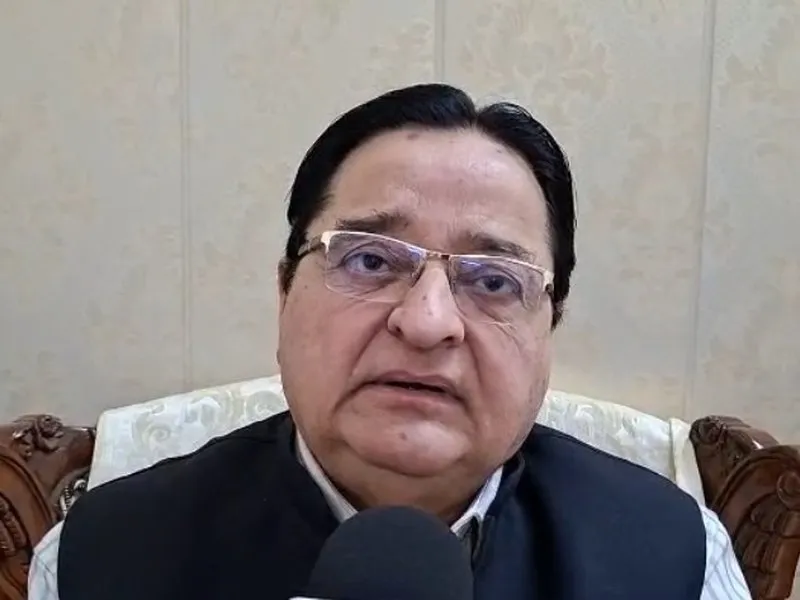
In March 2026, the political landscape in Pakistan was stirred by a film titled ‘Dhurandhar 2’, which controversially linked notorious criminal Atiq Ahmed to the Inter-Services Intelligence (ISI). Just before the film’s release, S.T. Hasan, a prominent political figure, publicly criticized its portrayal of Ahmed, asserting that the police were well aware of the connections between various individuals and criminal organizations. “Who they were connected to and who they were not, our police know this very well,” Hasan stated, emphasizing the need for accurate representation in media.
Despite the film’s claims, intelligence agencies have not confirmed any links between Atiq Ahmed and the ISI, leaving many to question the motivations behind such narratives. This controversy coincided with broader concerns regarding the effectiveness of the ISI, particularly in relation to the Tehreek-e-Taliban Pakistan (TTP), which has been accused of operating a parallel government in Khyber Pakhtunkhwa (KP). Field Marshal Asim Munir, the head of the ISI, warned of a potential shake-up within the agency due to ongoing intelligence failures, stating, “Perform or perish.” His remarks highlighted the growing dissatisfaction with the agency’s performance.
The situation was further complicated by reports indicating that the ISI and the military were not aligned on operational strategies, raising questions about the coherence of Pakistan’s national security framework. Critics have pointed out that the ISI has faced significant backlash for its inability to provide actionable intelligence on the TTP, which continues to pose a severe threat to stability in the region.
On the ground, the repercussions of these events were palpable. In Uttar Pradesh, India, two men, Azeem Rana and Azad Rajput, were arrested for allegedly sharing sensitive information with a gang based in Pakistan. This incident underscored the cross-border implications of the ongoing turmoil and the interconnectedness of criminal activities across the region.
As the narrative surrounding the ISI evolves, political leaders have voiced concerns about the potential for increased sectarian tensions. Waris Pathan, a notable figure in the political arena, remarked, “Efforts are being made to spread hatred in the country,” suggesting that the controversy surrounding the ISI and its portrayal in media could exacerbate existing divisions.
Currently, the ISI finds itself at a crossroads, grappling with internal and external pressures while facing scrutiny from both the public and political leaders. The agency’s future actions will be closely monitored, particularly in light of the criticisms it has received regarding its operational effectiveness and its alleged connections to criminal elements.
Details remain unconfirmed regarding the extent of the ISI’s involvement with figures like Atiq Ahmed, but the implications of these events are significant for Pakistan’s political and security landscape. As the situation develops, the interplay between media representation, political narratives, and national security will continue to shape the discourse surrounding the ISI.