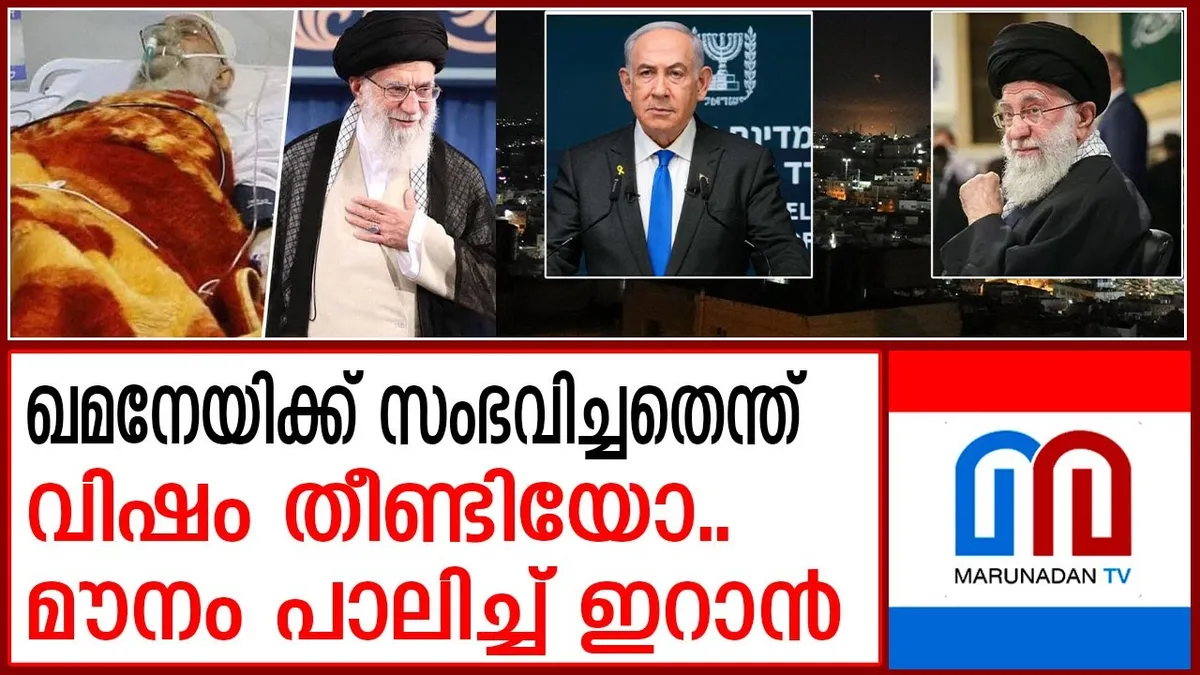
Mojtaba Khamenei, the newly appointed Supreme Leader of Iran, is currently in critical condition in Qom, following a devastating US-Israel airstrike that has left the nation in turmoil. Chosen as the successor to his father, Ali Khamenei, just weeks prior in early March 2026, Mojtaba’s health crisis has raised significant concerns regarding the stability of Iran’s leadership.
Reports indicate that Mojtaba Khamenei is unable to fulfill his leadership duties due to severe injuries sustained during the airstrike. He has been in a coma since the incident, which resulted in not only his injuries but also the tragic death of his father, Ali Khamenei, along with several family members.
The airstrike inflicted severe facial injuries on Mojtaba, necessitating a leg amputation, and he has not been seen in public since his appointment. As preparations for Ali Khamenei’s burial site are underway in Qom, the political landscape in Iran is shifting dramatically.
At 56 years old, Mojtaba Khamenei’s critical condition has left many observers questioning the future of Iran’s leadership. The exact status of his health remains unclear, and there is growing uncertainty regarding the leadership transition in the country.
Details remain unconfirmed, but the implications of Mojtaba’s health crisis are profound. With the Supreme Leader incapacitated, Iran faces a potential power vacuum that could lead to significant political instability.
As the nation grapples with this unprecedented situation, officials and analysts are closely monitoring developments. The next steps for Iran’s political future hinge on the health of Mojtaba Khamenei and the decisions made by those in the leadership circle.
This situation marks a pivotal moment in Iran’s history, as the country navigates the challenges of leadership succession amidst external pressures and internal strife.