What does Iran’s recent denial of Pakistan’s mediation role in US-Iran discussions reveal about the current geopolitical landscape? It underscores Iran’s determination to assert its sovereignty and navigate a complex web of regional tensions.
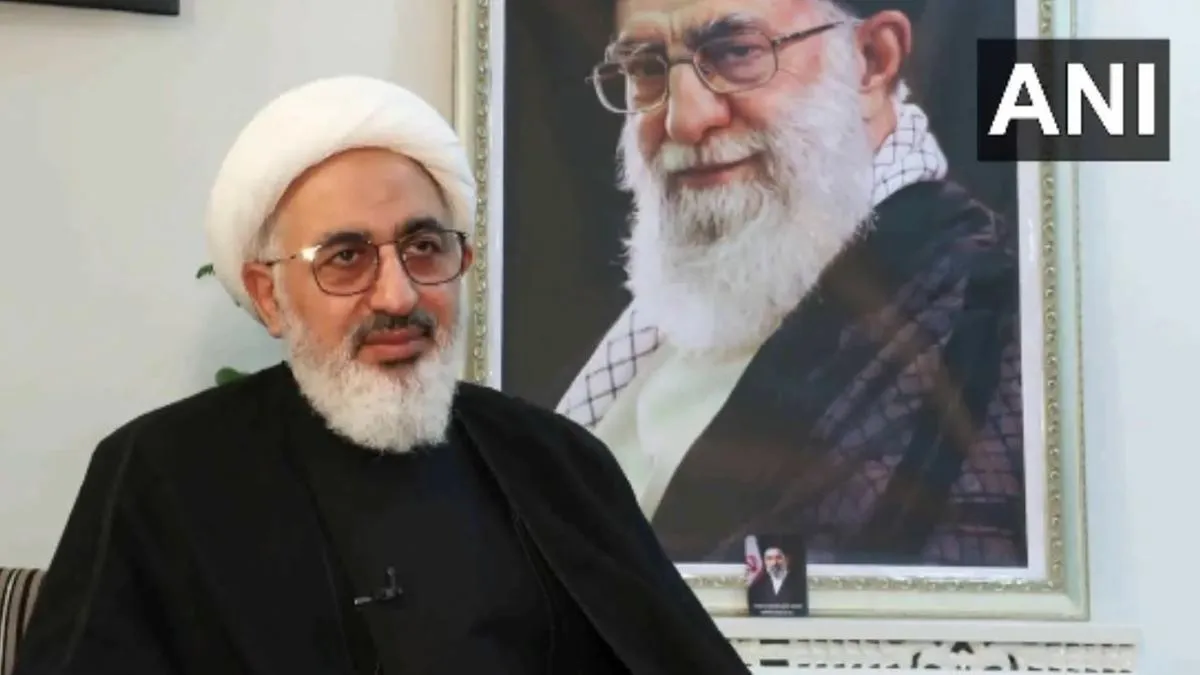
On April 5, 2026, Iran officially denied claims that Pakistan was mediating discussions between the United States and Iran. This denial comes amidst allegations that these claims are linked to strategies aimed at manipulating the oil market, a critical concern for both nations.
The backdrop to this situation includes a joint offensive by the US and Israel in February 2026, which Iran blames for ongoing regional instability. This offensive has heightened tensions and prompted Iran to issue an urgent call for global intervention to protect civilian infrastructure in the region.
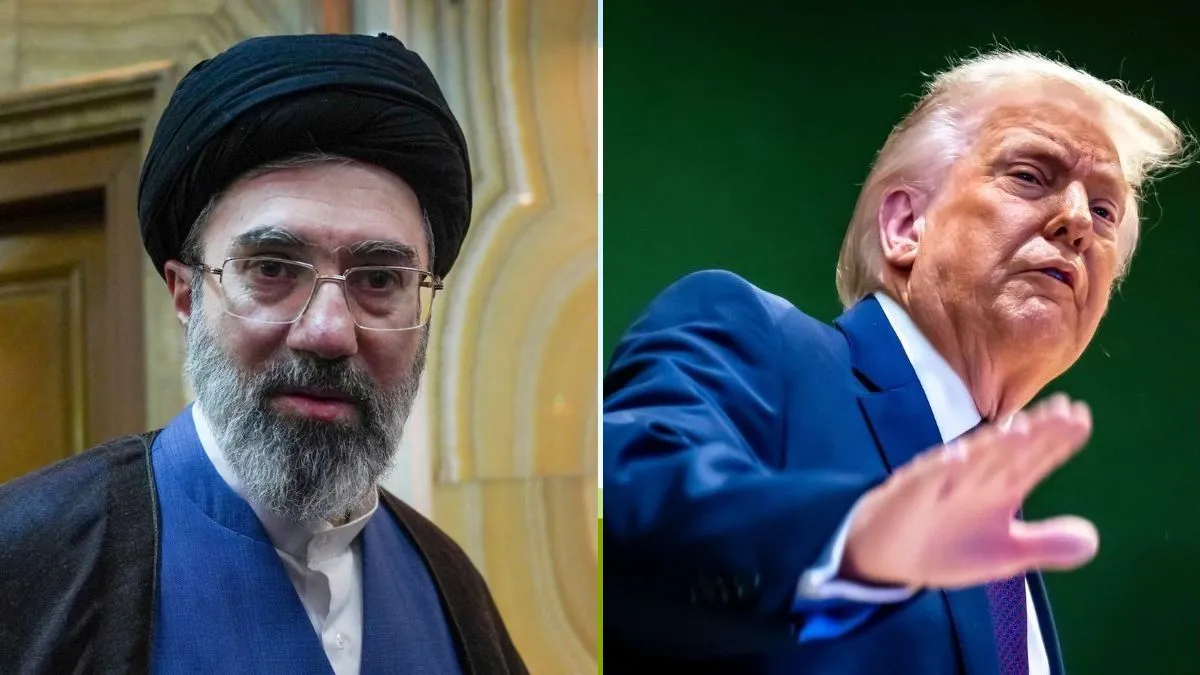
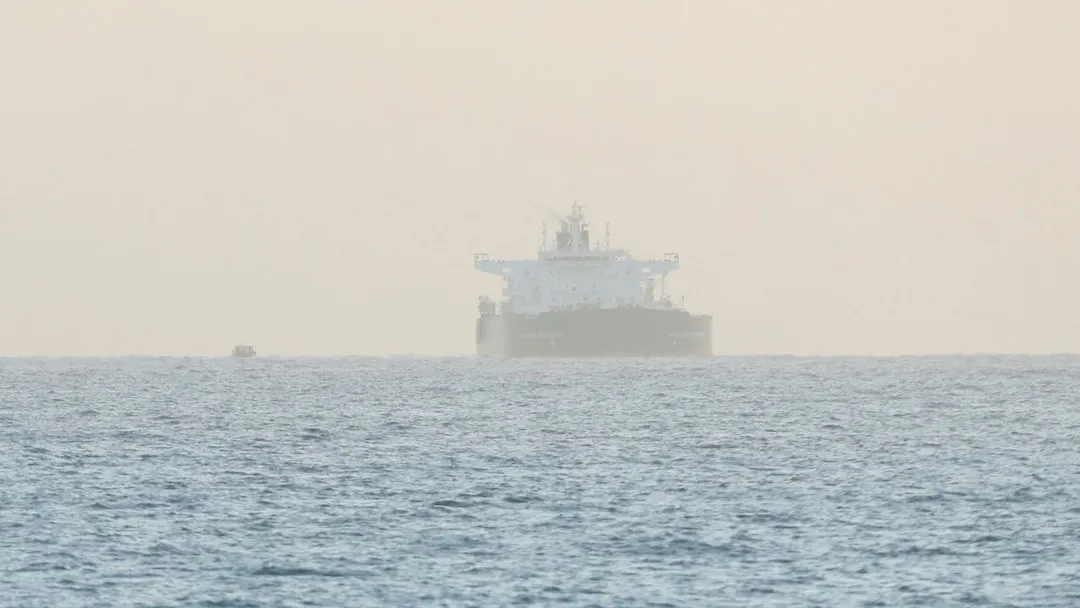
In a surprising twist, former US President Donald Trump has threatened to reopen the strategically vital Strait of Hormuz, a move that Iran has firmly rejected. This strait is crucial for global oil shipments, and any disruption could have severe implications for international energy markets.
Amidst these tensions, India has been encouraged to play a pivotal role in peace initiatives for 2026, reflecting its growing influence in regional diplomacy. The involvement of India could potentially reshape the dynamics of peace talks and negotiations in the area.
As the situation evolves, the complexities of Iran’s position on mediation and regional stability remain influenced by these recent geopolitical events. The international community watches closely, as the stakes are high for both regional and global security.
Details remain unconfirmed regarding the full extent of Pakistan’s involvement or the potential outcomes of India’s proposed role in peace initiatives. The future of US-Iran relations hangs in the balance, with multiple actors influencing the unfolding drama.