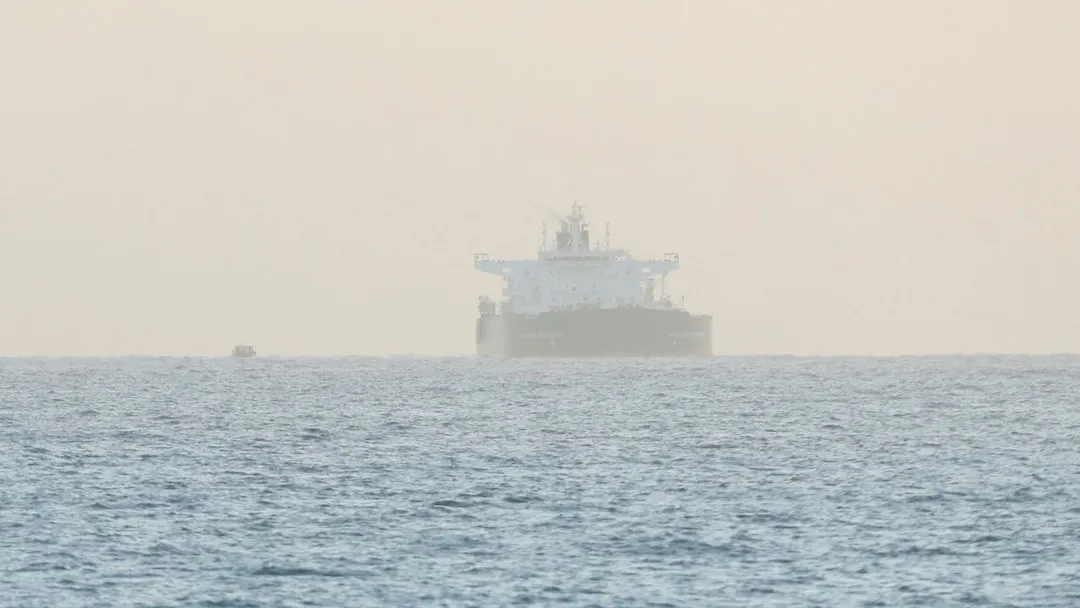
The Iranian oil tanker Ping Shun has made headlines following its unexpected change of destination from India to China on April 3, 2026. This shift not only complicates the dynamics of Iranian crude oil trade but also underscores the ongoing challenges posed by international sanctions.
Initially, the Ping Shun was set to deliver 600,000 barrels of Iranian crude oil to Vadinar in Gujarat, India. This shipment would have marked India’s first import of Iranian oil since May 2019, a significant milestone given that Iranian crude once constituted 11.5% of India’s total oil imports.
However, the tanker’s mid-voyage redirection appears to be linked to payment-related concerns. The complexities of commercial terms are becoming increasingly critical, as highlighted by energy analyst Sumit Ritolia, who noted, “If the payment issues are resolved, the cargo could still make its way to an Indian refinery.”
Before sanctions tightened in 2018, India was among the largest buyers of Iranian oil, importing as much as 518,000 barrels per day. Yet, since the imposition of US sanctions, the flow of Iranian crude to India has been severely restricted, with the last significant import occurring in early 2019.
Currently, the US has granted a 30-day waiver allowing purchases of Iranian oil at sea, which is set to expire on April 19, 2026. This waiver adds another layer of urgency to the situation, as the identities of the buyer and seller involved in the cargo remain unclear.
As the Ping Shun continues its journey towards China, the implications of this route change could reverberate through the global oil market. The commercial conditions surrounding Iranian crude are becoming as crucial as logistical factors in determining its flow.
Details remain unconfirmed regarding the future of this shipment and the potential for renewed trade between India and Iran. The evolving situation will be closely monitored by industry experts and governments alike, as the stakes for both countries are high.