Background and Prior Expectations
Before the recent developments, the political landscape in Iran was largely dominated by the leadership of Ali Khamenei, who had served as the Supreme Leader since 1989. His authority was widely accepted, and there were no immediate signs of a succession crisis. However, the sudden escalation of tensions in the region, particularly with Israel, had raised concerns about the stability of the Iranian leadership.
Decisive Moment
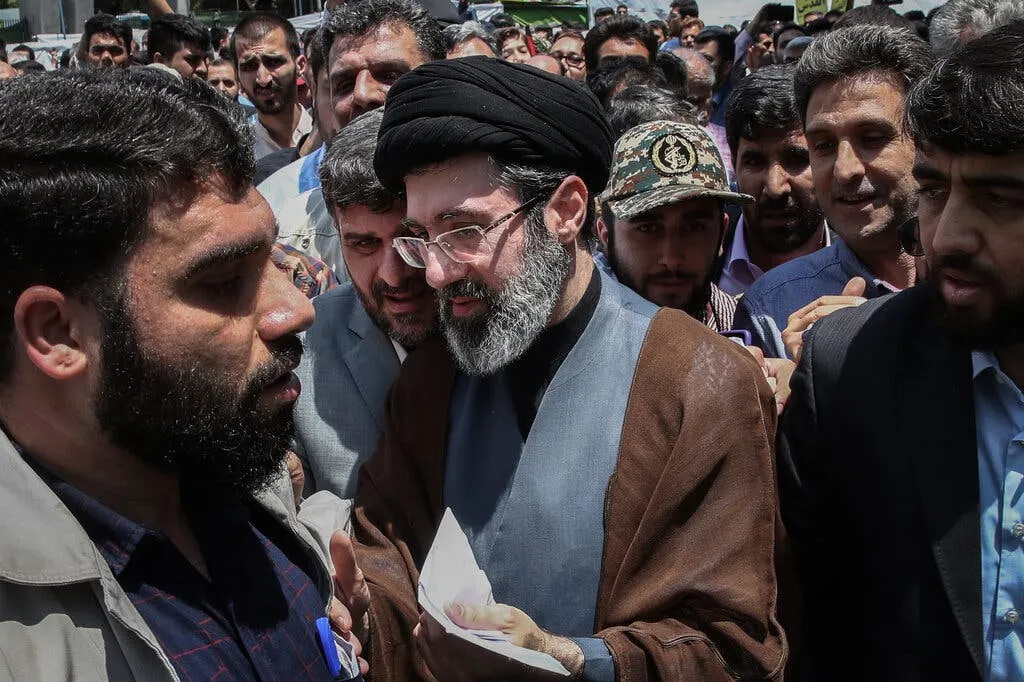
The situation changed dramatically on February 28, 2026, when an Israeli airstrike targeted a convoy that included Mojtaba Khamenei, the son of the late Supreme Leader. The attack resulted in the deaths of several family members, including Ali Khamenei, and left Mojtaba Khamenei injured. On March 8, 2026, just days after the airstrike, Mojtaba Khamenei was appointed as Iran’s new Supreme Leader. This marked a significant shift in leadership, as he stepped into a role previously held by his father.
Immediate Effects
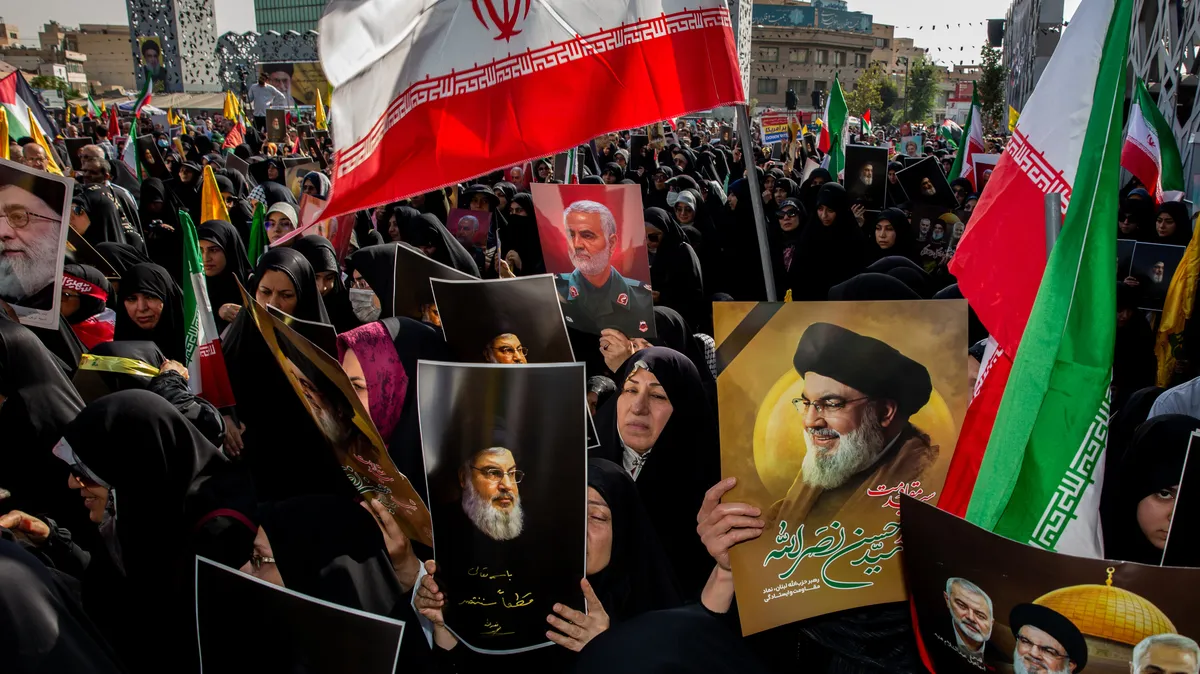
Following his appointment, the Iranian military, including the Islamic Revolutionary Guards Corps (IRGC), pledged allegiance to Mojtaba Khamenei. However, his leadership has been met with public opposition, with protests erupting in Tehran, where demonstrators chanted “Death to Mojtaba!”. This indicates a divide between the new leader and segments of the Iranian populace, raising questions about his ability to govern effectively.
Health Concerns and Speculation
Details regarding Mojtaba Khamenei’s health remain unconfirmed. Reports indicate that he has not been seen in public since his appointment, leading to speculation about the extent of his injuries. Some sources claim he may be in a coma, while others suggest he is safe but has sustained significant injuries. Yousef Pezeshkian, an Iranian politician, stated, “I heard news that Mr Mojtaba Khamenei had been injured. I have asked some friends who had connections. They told me that, thank God, he is safe and sound.”
Expert Perspectives
Experts have weighed in on the implications of this leadership change. Emile Hokayem noted, “Killing him early is certainly an Israeli priority. If he survives, he becomes a totem, a testimony to the resilience of the system.” This perspective highlights the precarious nature of Mojtaba Khamenei’s position and the potential challenges he may face in consolidating power.
Public Sentiment and Future Uncertainties
The public’s reaction to Mojtaba Khamenei’s ascension has been mixed, with significant opposition surfacing in the streets of Tehran. The Iranian government has stated that he is safe, but the uncertainty surrounding his health and capability to lead raises critical questions about the future of Iran’s governance. Additionally, there are claims that he may delegate power to other officials due to his injuries, further complicating the political landscape.
As Iran navigates this transitional period, the full extent of Mojtaba Khamenei’s injuries and his ability to fulfill the responsibilities of Supreme Leader remain unclear. The coming weeks will be crucial in determining the stability of his leadership and the response from both the Iranian public and international observers. Details remain unconfirmed.