Reaction from the field
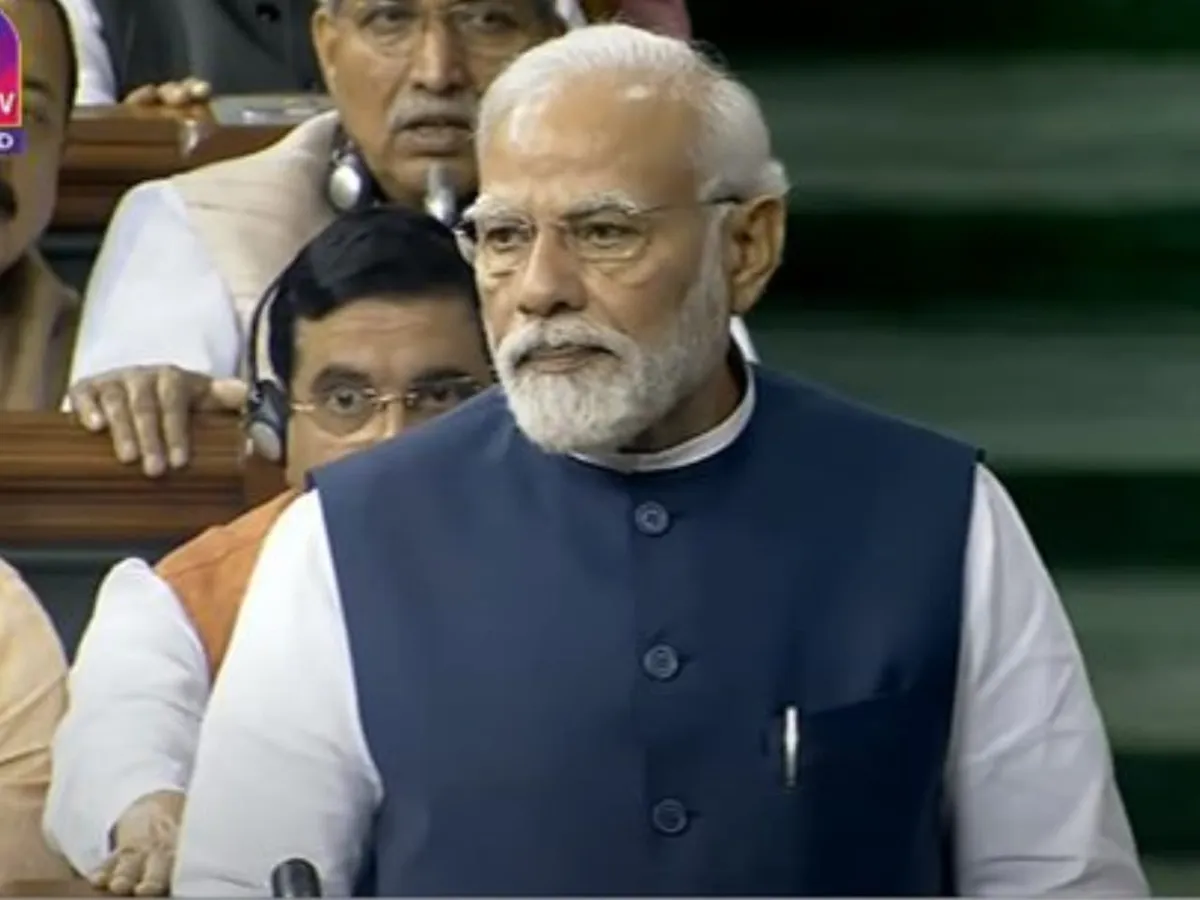
In a pivotal moment for India, Prime Minister Narendra Modi has articulated a vision that not only addresses the pressing issue of climate change but also tightens the reins on non-governmental organizations (NGOs) operating within the country. This dual focus reflects India’s growing influence on the global stage and its commitment to sustainable development.
Modi’s recent statements underscore India’s approach during heightened tensions in West Asia, showcasing the nation’s strength in building relationships and managing crises effectively. This diplomatic acumen is crucial as India navigates complex international waters while simultaneously addressing domestic challenges.
On the environmental front, India has set ambitious targets as part of its Nationally Determined Contribution (NDC) for the period 2031 to 2035. The government has committed to reducing emissions intensity of its GDP by an impressive 47 percent from 2005 levels. This commitment is a significant step towards combating climate change and aligns with global efforts to limit temperature rise.
Additionally, India aims to achieve 60 percent cumulative electric power installed capacity from non-fossil fuel-based energy resources by 2035. This ambitious target reflects a broader strategy to transition towards renewable energy sources, reducing reliance on fossil fuels and promoting sustainable practices.
In a bid to enhance its environmental initiatives, India plans to create a carbon sink of 3.5 to 4.0 billion tonnes of CO₂ equivalent through forest and tree cover by 2035. This initiative not only aims to mitigate climate change effects but also contributes to biodiversity and ecosystem health.
Simultaneously, the Union Cabinet has approved the Foreign Contribution (Regulation) Amendment Bill, 2026, which seeks to enhance government oversight of NGOs. Approximately 16,000 NGOs currently operate under the Foreign Contribution Regulation Act (FCRA), receiving about ₹22,000 crore ($2.6 billion) in foreign contributions annually. The proposed bill allows the government to assume control of the assets of NGOs whose FCRA registration is revoked or not renewed, reflecting a significant shift in the regulatory landscape.
Nityanand Rai, Minister of State for Home Affairs, emphasized the government’s stance, stating, “The Modi government will not tolerate any misutilisation of foreign funding and will take strong action against such elements.” This statement underscores the administration’s commitment to ensuring transparency and accountability in the NGO sector.
As India moves forward with these initiatives, uncertainties remain regarding the implementation of the new regulations and their impact on civil society. Details remain unconfirmed, but the government’s actions signal a transformative period in India’s approach to both environmental sustainability and governance.