Who is involved
Before the recent developments, the notion of a lockdown in India was a heavy reminder of the nationwide restrictions imposed on March 24, 2020, to combat the Covid-19 pandemic. The announcement back then marked a significant turning point in the lives of millions, as the country grappled with unprecedented challenges. With the pandemic’s harsh realities still fresh in the collective memory, the mere mention of a lockdown today evokes a sense of anxiety and uncertainty.
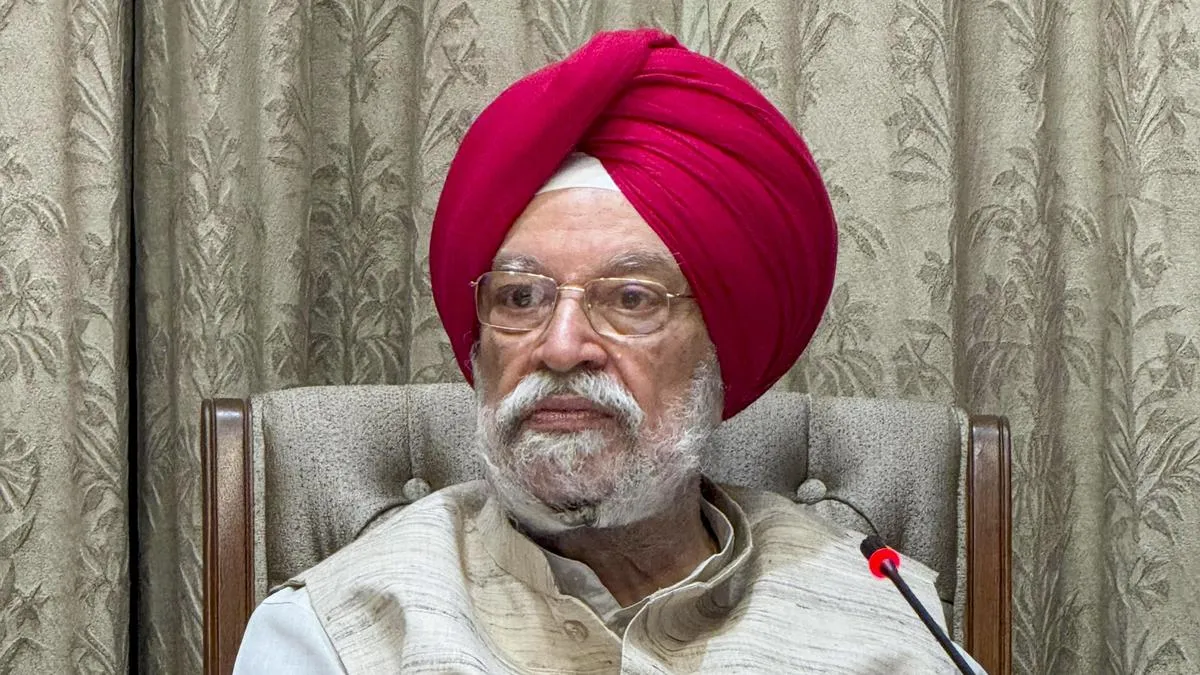
However, recent statements from key government officials have sought to quell these fears. Union Minister Hardeep Singh Puri emphatically stated, “There shall not be any lockdown,” while Finance Minister Nirmala Sitharaman reassured the public that there would be no lockdown akin to the one experienced during the height of the pandemic. This decisive moment marked a clear departure from the earlier expectations that had taken root in the public consciousness.
The immediate effects of these declarations were palpable. Rumors of a potential lockdown had surged, driven by the haunting memories of 2020, despite the fact that as of February 2, 2026, India reported only seven active Covid-19 infections. This stark contrast highlights the resilience the nation has demonstrated in the face of ongoing global uncertainties, particularly in light of the ongoing conflict in West Asia, which has raised concerns about supply chains and energy flows.
Experts have pointed out that the government’s proactive measures are crucial in maintaining stability. The Strait of Hormuz, a critical route for nearly 20% of the world’s oil and gas supplies, has been under scrutiny due to geopolitical tensions. Prime Minister Modi has warned of serious consequences if global disruptions persist, emphasizing the need for vigilance and preparedness.
In response to these challenges, the Indian government is closely monitoring developments across energy, supply chains, and essential commodities. Hardeep Singh Puri reiterated this commitment, stating, “The global situation remains in flux, and we are closely monitoring developments.” This proactive stance aims to ensure the uninterrupted availability of fuel and energy supplies, which are vital for the country’s economic stability.
Moreover, the government is accelerating resilience-building measures that have been undertaken over the past years. Modi’s assertion that India is enhancing its preparedness reflects a broader strategy to navigate through the complexities of the current global landscape. The emphasis on resilience is not merely a response to the pandemic but also a recognition of the interconnectedness of global events and their potential impact on the Indian economy.
As the situation evolves, the government remains committed to transparency and communication. Nirmala Sitharaman’s dismissal of lockdown rumors as “baseless” serves to reassure the public and mitigate fears that could hinder economic recovery. The contrast between the past and present highlights a significant shift in the government’s approach, focusing on stability and resilience rather than restrictions.
In conclusion, while the specter of lockdowns looms large in the public psyche, the Indian government’s current stance reflects a commitment to maintaining normalcy and addressing challenges head-on. The lessons learned from the past continue to shape the narrative, as officials work to ensure that the country remains resilient in the face of ongoing uncertainties.