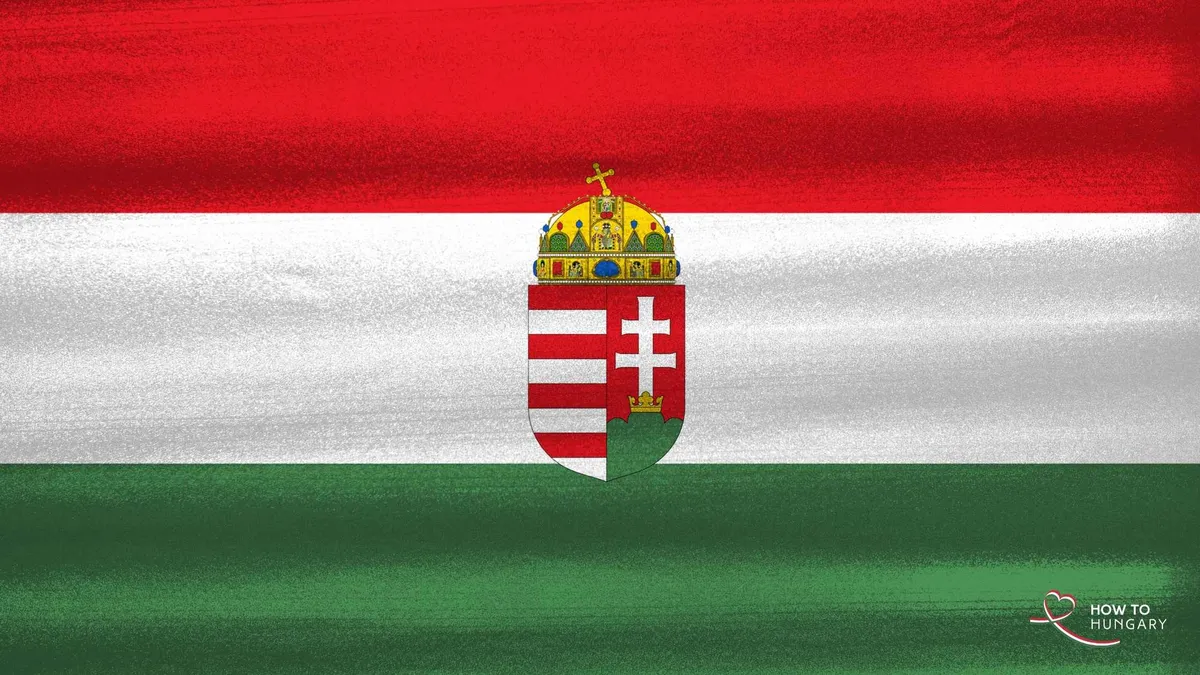
“All Hungarians know that this is a shared victory. Our homeland made up its mind. It wants to live again. It wants to be a European country,” declared Péter Magyar, the newly elected Prime Minister of Hungary, following his stunning victory over Viktor Orbán, who had ruled for 16 years. This statement encapsulates the sentiments of a nation eager for change and a renewed commitment to European values.
In the elections held on April 12, 2026, Magyar’s party, Tisza, garnered over 53% of the vote, decisively defeating Orbán’s Fidesz party, which received 37%. The voter turnout was nearly 80%, a record in Hungary’s post-Communist history, indicating a robust engagement from the electorate. Magyar’s campaign focused on addressing corruption and everyday issues such as health care and public transport, resonating with a populace ready for a new direction.
Orbán’s tenure was marked by increasing authoritarianism and a fractious relationship with the European Union. His government had been accused of undermining democratic institutions and straining ties with EU allies, particularly after he reneged on a €90 billion loan commitment to Ukraine. The election results signal a clear rejection of these policies and a desire for Hungary to re-establish itself as a cooperative member of the European community.
In his victory speech, Magyar emphasized Hungary’s aspiration to align with European ideals, stating, “Hungary has chosen Europe. Europe has always chosen Hungary. Together, we are stronger.” This sentiment was echoed by EU leaders who congratulated him on his victory, suggesting a shift in support for Hungary and a potential thaw in relations that had soured under Orbán’s administration.
The implications of Magyar’s win extend beyond Hungary’s borders. His leadership is expected to transform political dynamics within the EU, particularly as he pledges to rebuild Hungary’s relationships with both the European Union and NATO. This shift could influence broader European policies and alliances, especially in light of Orbán’s previous close ties with leaders like U.S. President Donald Trump and Russian President Vladimir Putin.
As the dust settles on this historic election, observers note that Magyar’s victory represents not just a change in leadership but a pivotal moment for democracy in Hungary. “This is a historic moment, not only for Hungary, but for European democracy,” remarked Keir Starmer, highlighting the significance of this electoral outcome in the context of broader European political trends.
With the new government set to take office, the focus will now shift to how Magyar will implement his vision for Hungary and navigate the complexities of European politics. The upcoming months will be crucial as he seeks to fulfill his promises and restore Hungary’s standing within the EU, marking a new chapter in the nation’s history.