Who is involved
The recent release of the supplementary voter list in West Bengal has stirred significant interest among the electorate. Prior to this development, there was a growing anticipation regarding the status of the voter eligibility adjudication process, which had seen delays and uncertainty. The SIR (Supplementary Information Report) exercise was announced on October 27 last year, aiming to clarify the voter rolls and ensure that only eligible voters were included.
On Monday, at approximately 11:55 pm, the first supplementary voter list was finally uploaded, a moment that many had been waiting for. This list includes names of voters whose eligibility has been adjudicated, a process that involved the scrutiny of over 60 lakh names, with approximately 29 lakh cases adjudicated by 705 judicial officers. The final electoral roll, published on February 28, recorded a total of 7.04 crore electors, highlighting the scale of the electoral landscape in West Bengal.
The release of the supplementary list has immediate effects on the parties involved, particularly the voters who were anxiously awaiting confirmation of their eligibility. However, the exact number of names included or excluded from the supplementary list remains undisclosed, leaving many in a state of uncertainty. Manoj Agarwal, a key figure in this process, expressed his concerns, stating, “I don’t know how many names have been approved or rejected at this moment,” reflecting the confusion that still lingers.
Moreover, the supplementary list was not without its challenges; it faced multiple delays before its eventual release. The highest number of pending cases was reported in Murshidabad, with 11 lakh cases still unresolved, while Malda and South 24 Parganas also reported significant numbers of pending cases, at 8.28 lakh and 5.22 lakh respectively. This backlog underscores the complexities involved in the adjudication process and the pressure on the Election Commission to resolve these issues swiftly.
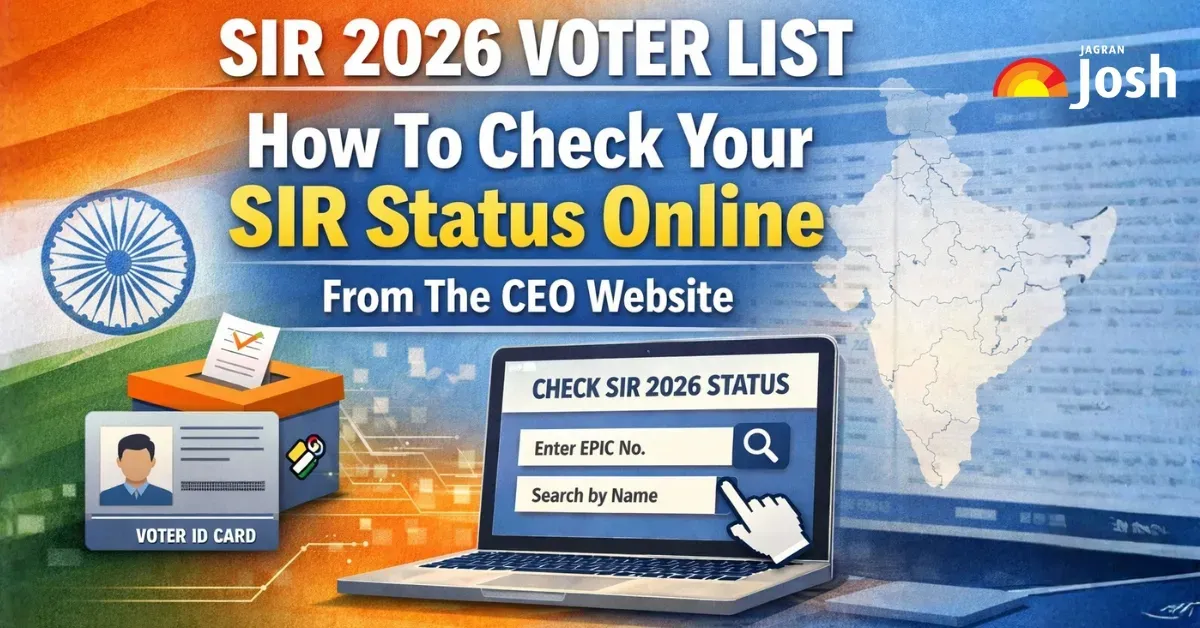
To facilitate access to the supplementary list, the Election Commission has made it available online on both the EC and CEO websites. Additionally, hard copies of the list can be obtained from District Election Officers (DEOs), District Magistrates (DMs), Sub-Divisional Officers (SDOs), and Block Development Officers (BDOs). This dual approach aims to ensure that all voters can verify their status, regardless of their access to technology.
In an effort to address appeals regarding the supplementary list, the Election Commission has constituted 19 appellate tribunals. However, the timeline for the formation and functioning of these tribunals remains unclear, adding another layer of uncertainty for those seeking to challenge decisions made regarding their voter eligibility. As Agarwal noted, “We don’t know how many names have been deleted or how many names will be published,” emphasizing the ongoing challenges in the electoral process.
As the situation evolves, the second supplementary list is expected to be released on Friday, which may provide further clarity for voters. The role of law enforcement has also come under scrutiny, with Agarwal commenting on their prompt action in areas where unrest occurred, stating, “The role of police is good. They have taken prompt action in places where trouble erupted.” This highlights the importance of maintaining order during such a critical period in the electoral cycle.
In summary, the release of the supplementary voter list in West Bengal marks a pivotal moment in the electoral process, with significant implications for millions of voters. While the immediate effects are being felt, details remain unconfirmed regarding the exact changes to the voter rolls, leaving many questions unanswered as the state prepares for the upcoming elections.