Market Overview
On March 12, 2026, the Hang Seng Index fell 0.7% to close at 25,717. This decline was primarily driven by a sharp spike in oil prices, which overshadowed a record planned oil release by the International Energy Agency (IEA). The market’s reaction reflects broader concerns regarding geopolitical tensions in the Middle East, particularly related to the ongoing conflict involving Iran.
Oil Price Surge
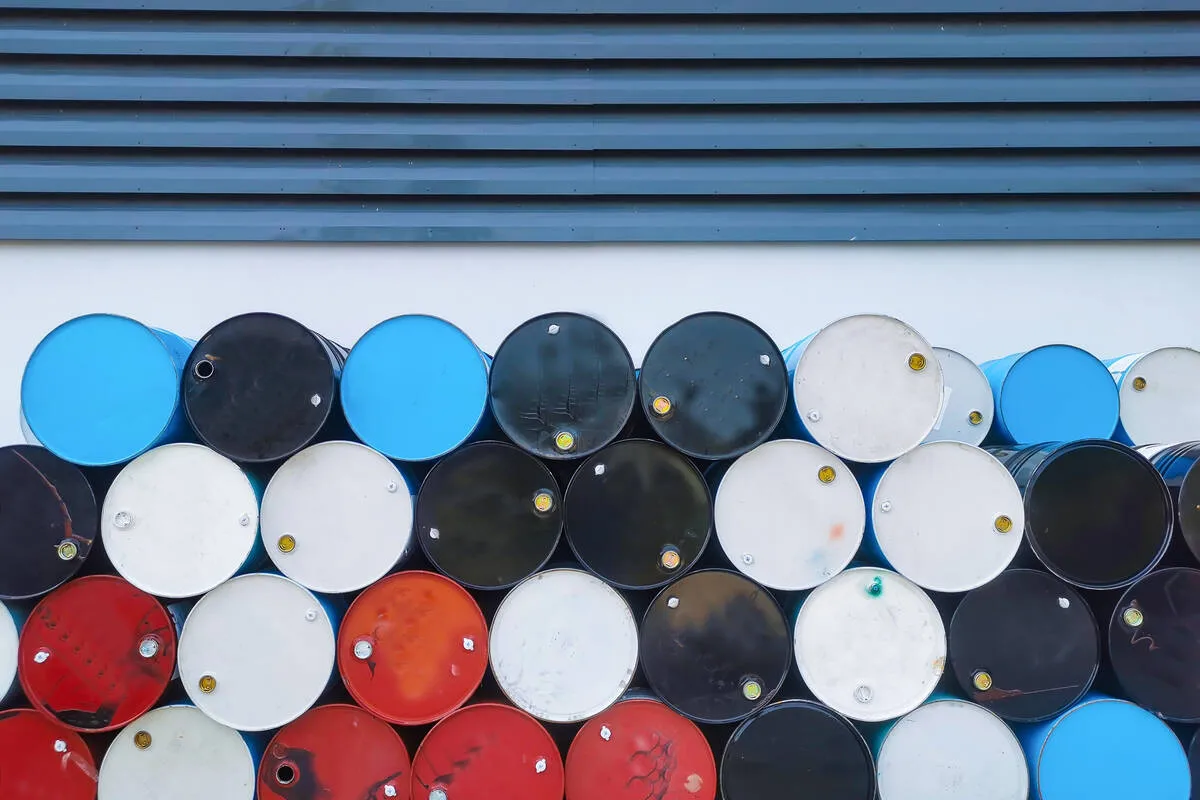
As tensions escalated in the region, U.S. West Texas Intermediate futures surged by 3.82%, reaching $90.55 per barrel, while Brent crude oil was trading approximately 4.19% higher at $95.8 per barrel. This increase in oil prices has significant implications for various sectors, particularly transportation and energy, as companies brace for higher operational costs.
IEA’s Response
In response to the supply disruption caused by the Iran war, the IEA announced plans to release 400 million barrels of oil, marking the largest such action in the organization’s history. Despite this substantial release, the market remained skeptical, as the immediate impact of geopolitical tensions outweighed the potential relief from increased oil supply.
Impact on Local Companies
Local companies felt the effects of these developments acutely. Cathay Pacific, Hong Kong’s flagship airline, announced it would raise fuel surcharges on all routes starting March 18 due to the rising fuel costs linked to geopolitical risks. This decision resulted in a 1.6% drop in the airline’s stock, reflecting investor concerns about the airline’s profitability amid increasing operational expenses.
Insider Trading Crackdown
Compounding the market’s woes, Hong Kong’s largest insider trading crackdown in years has raised compliance fears among investors. This crackdown has widened risk premiums, particularly affecting the property and financial sectors, which led the decliners in the Hang Seng Index. The uncertainty surrounding the enforcement of these regulations has left many market participants cautious.
Current Market Sentiment
The current state of the Hang Seng Index is reflective of a complex interplay between rising energy costs and regulatory scrutiny. Investors are grappling with the implications of higher oil prices and the potential for stricter compliance measures, which could impact market activity in the near term. Details remain unconfirmed regarding the exact timeline for the IEA oil release and the long-term effects of the insider trading crackdown.
As the Hang Seng Index navigates these turbulent waters, the focus remains on how geopolitical developments and regulatory changes will shape market dynamics. The interplay of these factors will be crucial for investors and companies operating within Hong Kong’s financial landscape.