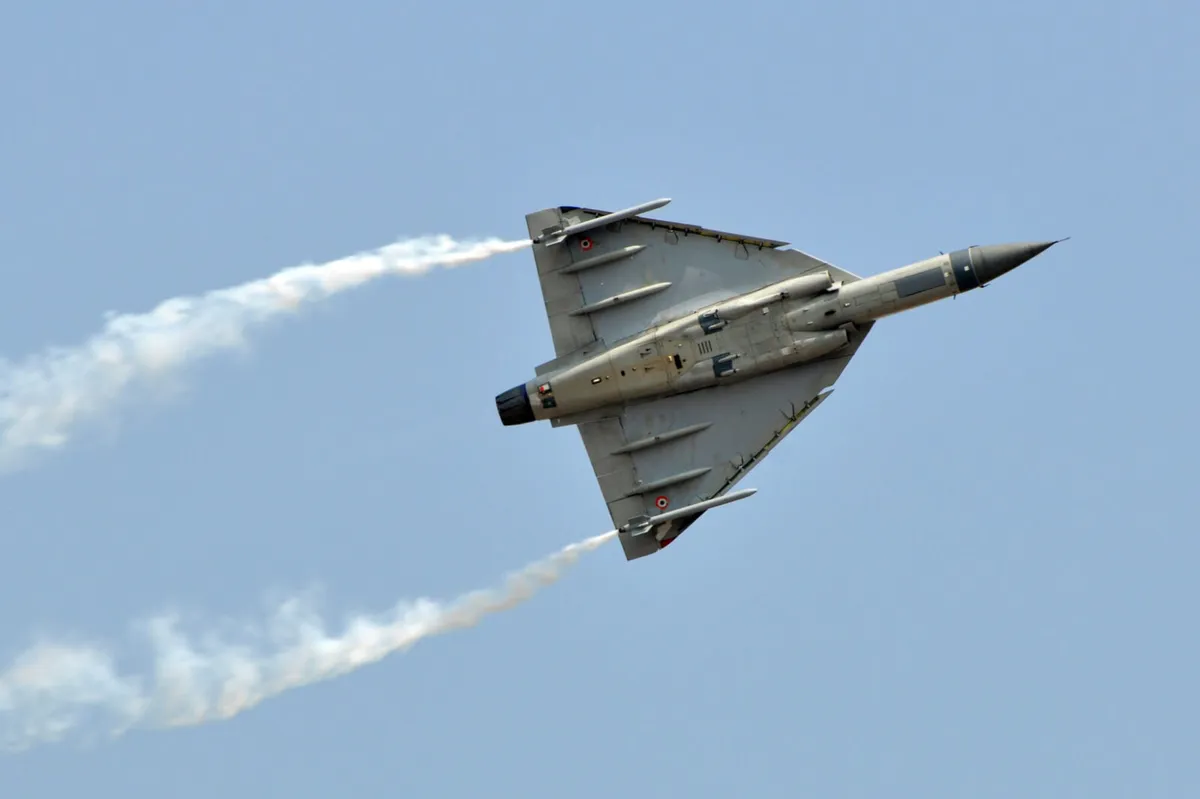
The HAL Tejas, India’s indigenous light combat aircraft, is poised for a significant turnaround. Just before the key development, the fleet faced a setback when it was grounded in February 2026 following a landing mishap. This incident raised concerns about the operational readiness of the aircraft, which is crucial for the Indian Air Force (IAF).
On April 8, 2026, HAL chairman DK Sunil announced that the Tejas jets are set to resume flight operations. “All the Tejas jets are set to fly again from next Wednesday,” he stated, indicating a renewed confidence in the aircraft’s capabilities.
However, the journey to this point has not been without challenges. HAL has imposed penalties on GE Aerospace due to delays in engine deliveries for the Tejas Mk-1A variant. Out of a contract for 99 F404 engines, only six have been delivered, with the first engine arriving in March 2025. HAL expects another engine delivery by the end of April 2026, which is crucial for the operational capability of the Tejas Mk-1A program.
By December 2026, HAL aims to deliver over 20 additional aircraft, which are intended to replace the aging MiG-21 fleet. The Tejas program has faced its share of challenges, taking longer and costing more than initially anticipated. The indigenous Kaveri engine was delinked from the Tejas airframe back in 2008 due to its failure to deliver the required thrust.
As of now, the IAF operates between 32 to 34 HAL Tejas Mk1 fighter jets across two operational squadrons. The aircraft is designed to be compatible with modern missiles, laser-guided bombs, and helmet-mounted displays, showcasing its advanced capabilities.
Despite the setbacks, experts remain optimistic about the Tejas program. Philip Rajkumar, an aerospace expert, emphasized the complexity of jet engines, stating, “The jet engine is one of the most complex pieces of machinery that you can ever think of.” He also defended the performance of the Tejas, asserting, “Utter rubbish. In performance, in sheer performance, LCA Tejas is better.”
Reflecting on the broader context, defense analyst Sandeep Unnithan noted the disparity in investment between India and its competitors, remarking, “India spent relatively modest sums on the programme and abandoned it too early, while China poured in tens of billions of dollars with a national-level push.” This highlights the ongoing challenges faced by India’s defense sector.
As the HAL Tejas fleet prepares to take to the skies once more, the implications of this sequence of events matter greatly for the IAF and India’s defense capabilities. The successful resumption of operations could signify a turning point for the indigenous aircraft program, reinforcing India’s commitment to self-reliance in defense manufacturing.