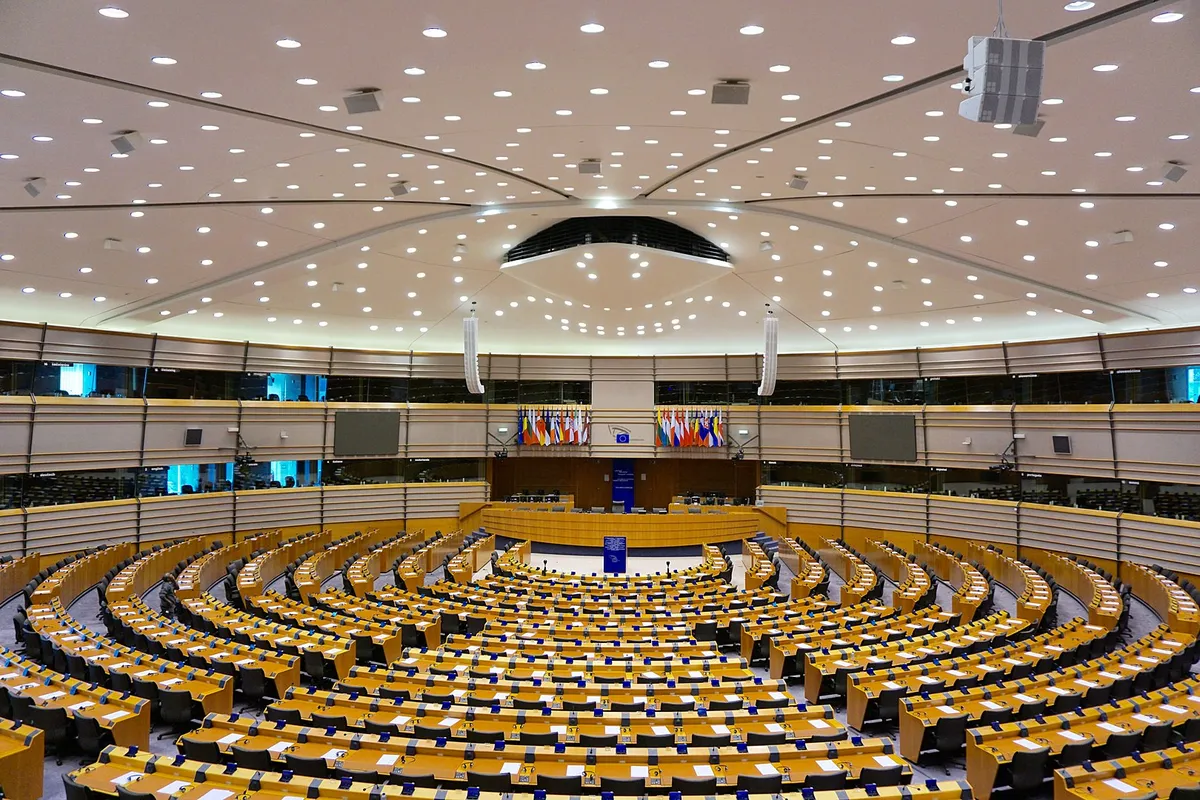
The European Parliament has traditionally acted as a brake on the hardline instincts of EU governments regarding migration. However, a recent vote on new return policies marks a decisive shift in this dynamic, with the Parliament adopting a controversial law that allows for the detention of individuals without the right to stay in the EU for up to two years, an increase from the previous maximum of 18 months.
This vote, held on March 27, 2026, saw 389 votes in favor, 206 against, and 32 abstentions, reflecting a significant backing from an alliance of mostly centre-right and far-right lawmakers. The proposals also include the establishment of ‘return hubs’ outside the EU, where deported individuals will be sent, a move that has raised serious concerns among human rights advocates.
Germany, the Netherlands, Austria, Greece, and Denmark are reportedly collaborating to set up these return hubs, which have been criticized for potentially leading to asylum seekers disappearing into “legal black holes” beyond EU borders. Human rights groups warn that these measures could strip individuals of their rights and protections based solely on their migration status.
Charlie Weimers, a prominent figure in the debate, stated, “The era of deportations has begun,” highlighting the gravity of the situation. Marta Welander, another expert, expressed her concerns, stating that the new policies are designed to deter, detain, and deport individuals seeking safety, fundamentally altering the landscape of EU asylum and migration regimes.
Critics have labeled the vote a “vote of shame,” with Mélissa Camara condemning the potential for children to be detained without adequate legal grounds. The implications of this vote extend beyond immediate policy changes; they signal a broader shift in the EU’s approach to migration, moving towards more punitive measures.
The draft law features 38 formulations proposed by the far-right ESN group, underscoring the influence of extremist views in shaping EU migration policy. As negotiations between lawmakers and member states commence on the final legislative text, the future of migration in Europe hangs in the balance.
Details remain unconfirmed regarding how these return hubs will operate and the safeguards that will be put in place to protect the rights of those affected. The coming months will be critical as the EU navigates this contentious issue, balancing the demands for stricter migration controls with the need to uphold human rights standards.