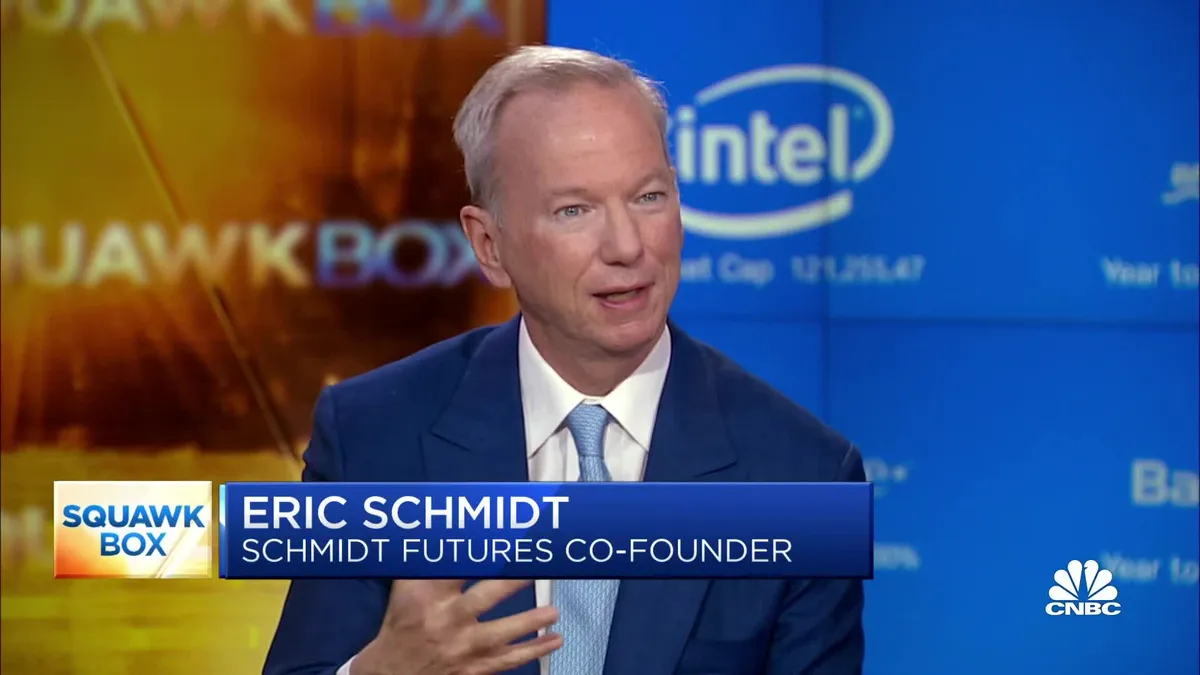
Eric Schmidt, the former CEO of Google, asserts that the landscape of programming is undergoing a seismic shift. He claims that the best programmers no longer write code but instead focus on writing specifications and setting evaluation criteria, allowing AI to handle the heavy lifting. This transformation is not just a minor adjustment; it represents a fundamental change in how technology is developed and deployed.
In a striking example, Schmidt described a startup programmer whose AI completed tasks that would have otherwise taken six months and required ten engineers at Google. This dramatic reduction in time and manpower underscores the potential of AI to revolutionize traditional programming roles.
Schmidt emphasizes that as AI continues to evolve, top programmers will become increasingly valuable, not less so. “Top programmers will become more valuable, not less,” he stated, highlighting a future where skilled engineers focus on high-level system orchestration and business automation.
He predicts that the most skilled engineers could become ten times more valuable as they adapt to these new roles. This shift is indicative of a broader trend where AI’s real impact will be in automating the “boring” backbone of business operations, such as billing, accounting, and logistics.
Looking ahead, Schmidt forecasts that artificial general intelligence (AGI) will arrive by 2029, driven by self-improving AI systems. This prediction signals a pivotal moment in the tech industry, where the capabilities of AI could surpass human intelligence.
Schmidt’s insights reflect a growing recognition that traditional coding roles may change significantly. As AI tools become more sophisticated, the nature of programming work will likely evolve, demanding new skills and approaches.
As the tech community grapples with these changes, observers are keenly watching how companies will adapt to this new reality. The implications for workforce development, education, and the future of technology are profound.
Details remain unconfirmed regarding the specific timelines and impacts of these predictions, but Schmidt’s vision paints a compelling picture of a future where AI plays a central role in programming and business operations.