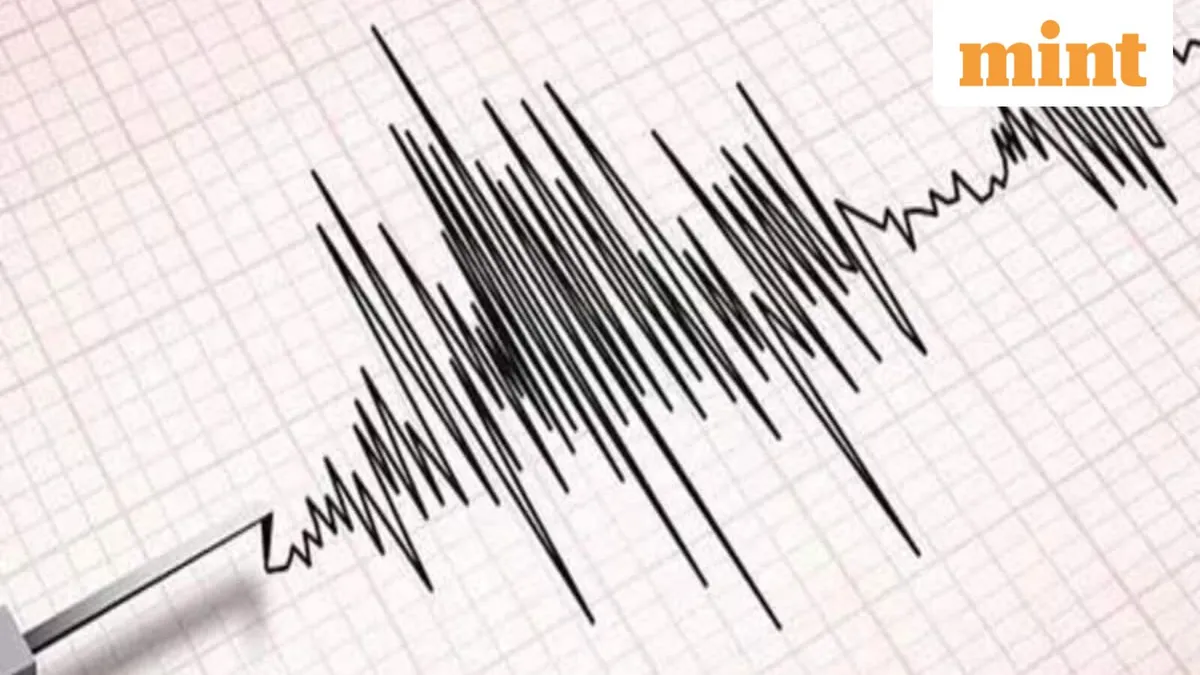
Before the recent seismic event, residents of Delhi and its neighboring regions were enjoying a calm evening, with no immediate concerns about natural disasters. However, the tranquility was abruptly shattered when a 5.9-magnitude earthquake struck Afghanistan’s Hindu Kush region at around 9:50 PM on April 3, 2026.
The tremors were felt across a wide area, including Delhi-NCR, Noida, Chandigarh, and even as far as Srinagar. Witnesses described the experience as intense, with Baldev Chand stating, “I felt a strong jolt which lasted for a few seconds,” while Vaishali Poddar remarked, “I’ve never felt tremors this strong before.” The seismic activity originated from Badakhshan province in Afghanistan, at a depth of 150 km.
As the shaking subsided, residents took to social media to share their experiences, with many noting that the intensity was so high that fans and beds began to shake. Reports indicated that tremors were also briefly felt in several cities across Pakistan, highlighting the widespread impact of this earthquake.
Despite the strong tremors, no immediate reports of damage or casualties have emerged so far, which offers a glimmer of relief amidst the panic. The earthquake’s depth likely contributed to the lack of severe consequences in populated areas. However, the experience has left many on edge, as the memory of past earthquakes lingers in the minds of those living in seismic zones.
Experts often remind us that the Hindu Kush region is seismically active, and while this event has not resulted in significant destruction, it serves as a stark reminder of the potential risks associated with living in such areas. The geological features of the region make it prone to earthquakes, and this latest incident underscores the importance of preparedness.
As the dust settles, the focus now shifts to assessing any possible aftershocks and ensuring that residents remain vigilant. While the immediate effects appear manageable, the psychological impact of such events can linger, prompting discussions about safety measures and emergency preparedness in urban settings.
In the wake of this earthquake, experts will likely analyze data to better understand the event’s implications and what it means for future seismic activity in the region. As communities come together to support one another, the resilience of the people in Delhi and surrounding areas will be tested once again.
Details remain unconfirmed regarding any longer-term effects or potential aftershocks, but for now, the focus is on ensuring safety and stability in the affected regions.