Reaction from the field
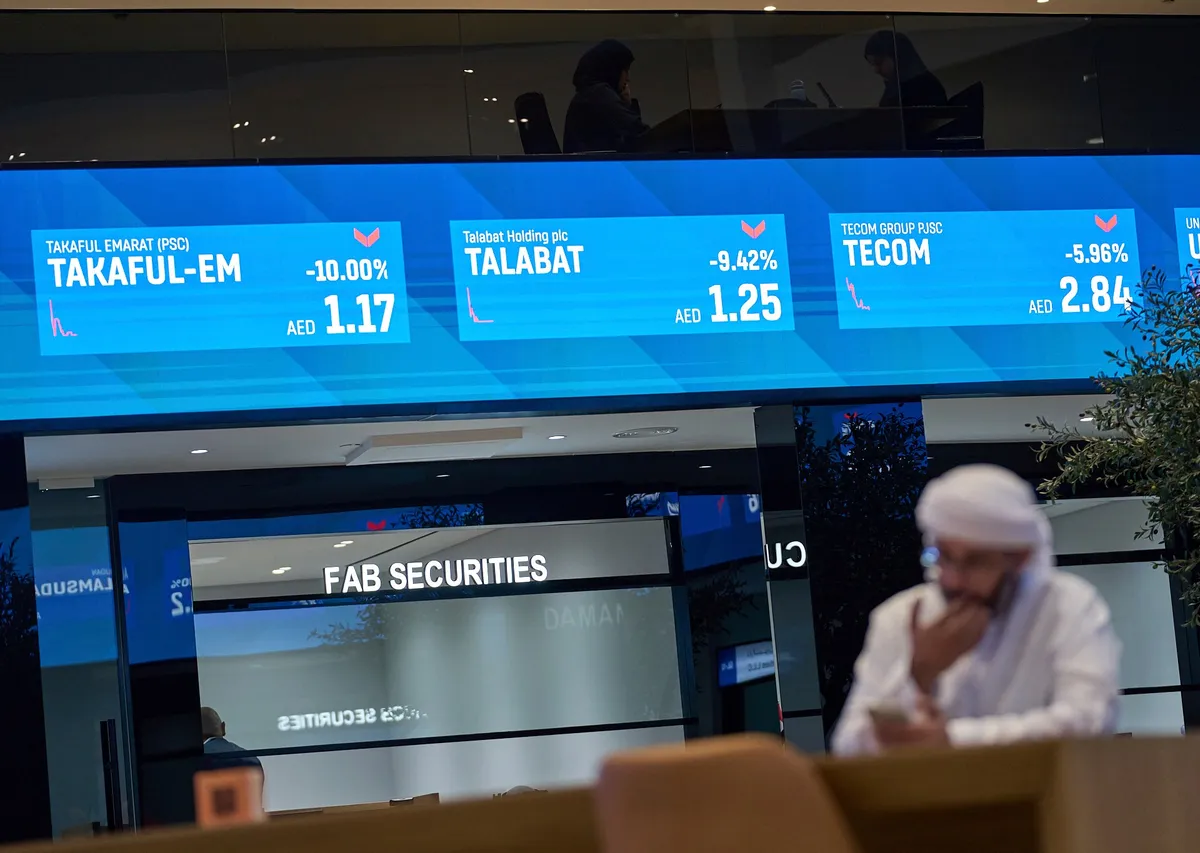
The ongoing Dubai Iran War, which began in early March 2026, has had a profound impact on the economic landscape of the UAE, particularly in Dubai and Abu Dhabi. Since the onset of the conflict, the UAE’s stock markets have collectively lost around $120 billion in value, highlighting the significant stakes involved in this regional crisis. The situation has escalated tensions not only within the UAE but also among neighboring countries, including Saudi Arabia, Kuwait, and Qatar.
As of March 31, 2026, Dubai’s benchmark index has plunged approximately 16 percent since February 28, 2026. This decline has been mirrored by the Dubai Financial Market (DFM) General Index, which has lost about $45 billion in market capitalisation. Meanwhile, the Abu Dhabi Securities Exchange (ADX) General Index has shed around $75 billion since the war began. These staggering figures underscore the immediate economic fallout of the conflict.
The conflict’s ramifications extend beyond mere financial losses. A notable incident occurred when a drone attack targeted the Al-Salmi tanker, which was loaded with two million barrels of oil from Kuwait and Saudi Arabia while anchored at Dubai Port. Fortunately, there were no reports of oil leakage or injuries from this attack, yet it serves as a stark reminder of the escalating violence and its potential to disrupt energy supplies in the region.
Market analysts have expressed concern over the long-term implications of the war on the UAE’s financial markets. Haytham Aoun, a prominent financial expert, remarked, “It is clearly a short-term setback to investor sentiment and market confidence, but not necessarily a fundamental challenge to the UAE’s long-term economic plan.” This perspective offers a glimmer of hope amidst the chaos, suggesting that while the immediate effects are severe, the underlying economic framework may remain resilient.
The broader conflict has resulted in thousands of casualties and significant disruptions to energy supplies across the Middle East. As tensions rise, the price of Brent crude has surged by 59 percent in March alone, reflecting the market’s reaction to the instability in the region. The implications of these price increases are far-reaching, affecting not only the UAE but also global oil markets.
As the situation continues to evolve, the uncertainty surrounding the long-term impact of the war on the UAE’s financial markets remains a pressing concern. Details remain unconfirmed, and stakeholders are left grappling with the potential for further escalations in violence and economic disruption.
In light of these developments, the international community is closely monitoring the situation, particularly the responses from key players such as the US and Israel, who have vested interests in the region. The outcome of this conflict could reshape the geopolitical landscape of the Middle East, with far-reaching consequences for all involved.