Who is involved
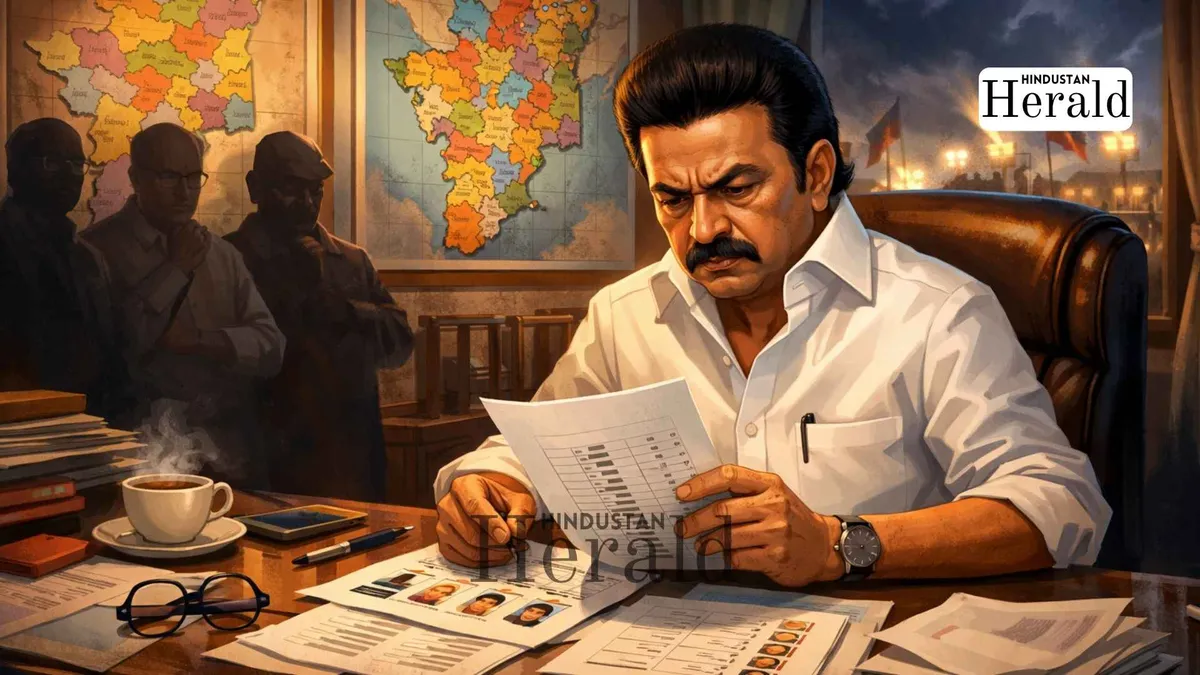
The political landscape in Tamil Nadu has been dominated by the Dravida Munnetra Kazhagam (DMK) since it won a significant victory in the 2021 elections, securing 159 out of 234 assembly seats. As the ruling party, the DMK is poised to defend its position in the upcoming elections scheduled for April 23, 2026. The anticipation surrounding the DMK’s candidate list, which is expected to be announced on March 27, 2026, reflects the party’s strategic approach to maintaining its influence in the state.
In contrast, the AIADMK, a major opposition party, has released a total of 150 candidates so far and plans to contest 169 constituencies directly. This indicates a competitive atmosphere as both parties gear up for the electoral battle. The DMK’s decision to contest 164 seats directly, while forming alliances with the Congress party and the DMDK for 28 and 10 seats respectively, showcases its strategy to consolidate power and appeal to a broader voter base.
As the nominations window opens on March 30, 2026, the stakes are high for all parties involved. M.K. Stalin, the Chief Minister and DMK leader, has expressed confidence in the party’s prospects, stating, “Every seat in Tamil Nadu belongs to the DMK, whether or not the party has a direct candidate there.” This assertion underscores the DMK’s entrenched position in Tamil Nadu politics, which they aim to reinforce through a carefully curated candidate list.
However, the political climate is not without its challenges. The AIADMK is grappling with internal strife, which has raised questions about its electoral viability. Political analyst Saravanan Annadurai remarked, “In the middle of such infighting, where is the AIADMK even thinking about its electoral prospects?” This sentiment reflects a growing concern regarding the party’s ability to mount a formidable challenge against the DMK’s established dominance.
Meanwhile, the emergence of independent candidates like Vijay, who is contesting with his party Tamilaga Vettri Kazhagam without any alliances, adds another layer of complexity to the electoral dynamics. His decision to run solo may attract a section of voters disillusioned with the traditional party structures, potentially reshaping voter behavior in the state.
As the DMK prepares to unveil its candidate list, the release of its election manifesto on the same day is anticipated to provide further insights into its campaign strategy and priorities. This dual announcement is expected to galvanize the party’s base and outline its vision for the future of Tamil Nadu.
Details remain unconfirmed regarding the final candidate list from the DMK until the announcement on March 27, 2026. Additionally, Vijay’s final decision on contesting from Perambur and Trichy East is still pending, leaving room for last-minute shifts in the political landscape.
With the elections drawing near, the DMK’s ability to navigate these challenges and present a united front will be crucial in determining its success in the 2026 elections. The upcoming weeks will be pivotal as the parties finalize their strategies and candidates, setting the stage for a highly contested electoral battle in Tamil Nadu.