How it unfolded
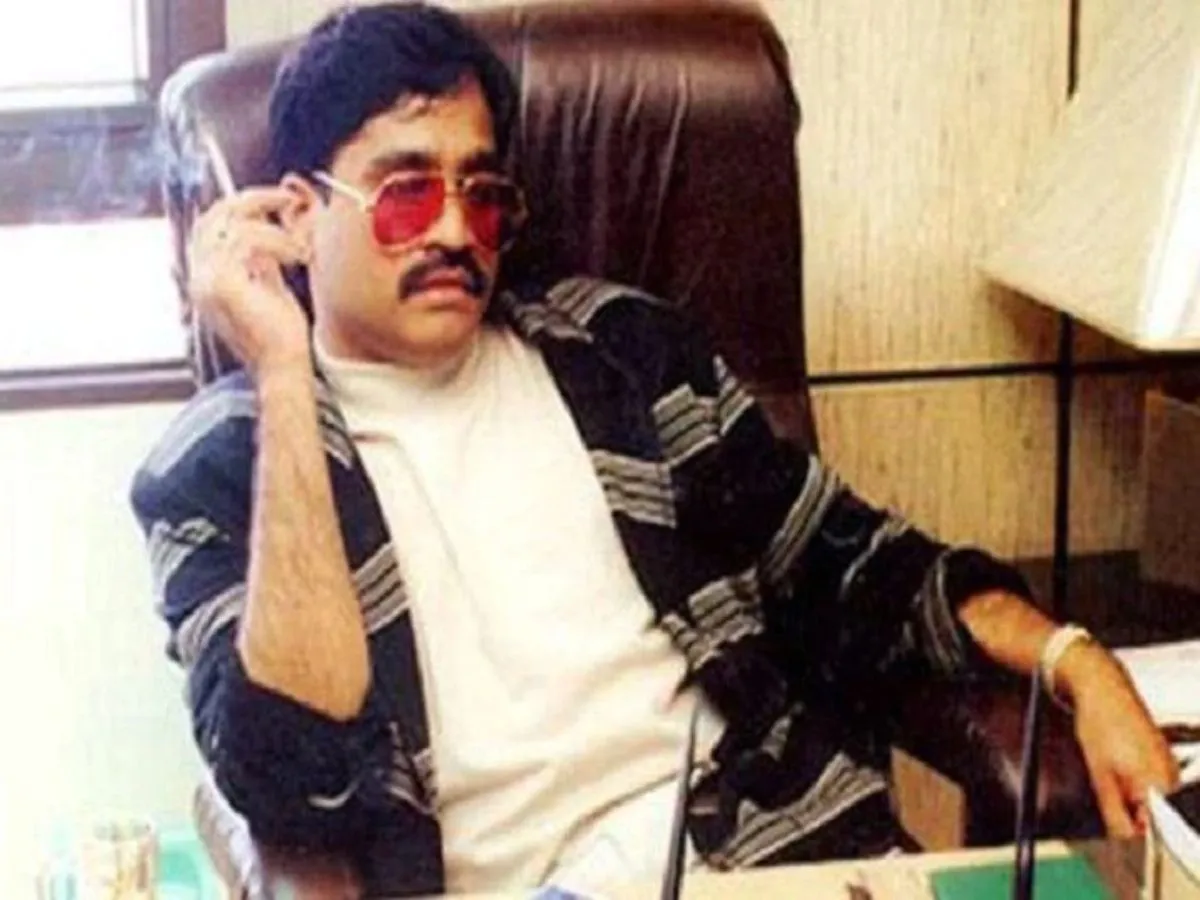
In the shadowy world of international crime and terrorism, few names evoke as much fear and intrigue as Dawood Ibrahim. A wanted terrorist in India, he is primarily known for his involvement in the 1993 Mumbai serial blasts, which resulted in the tragic loss of over 250 lives. Since that fateful year, Ibrahim has been a fugitive, allegedly taking refuge in Karachi, Pakistan, with the backing of the Pakistani state.
Reports emerging as recently as late August 2020 suggested that Ibrahim is still alive and residing in Karachi. The United Nations Security Council has even listed him with multiple addresses in the city, indicating that he continues to evade capture despite being one of the most wanted men in India. His criminal empire, known as D-Company, has evolved from its origins in gold smuggling to a full-fledged terrorist organization, implicated in various attacks, including the 1993 Mumbai blasts.
In the years following his escape from India, Ibrahim’s notoriety has only grown. He was declared a Specially Designated Global Terrorist by the United States in 2003, and the UN Security Council has associated him with Al-Qaeda since November of the same year. This designation highlights the global implications of his actions and the extensive network of terror financing that he has allegedly orchestrated.
On March 1, 2026, a significant figure in this web of terror, Zahoor Mistry, also known as Zahid Akhund, was shot dead in Karachi. Mistry was involved in the hijacking of Indian Airlines flight IC-814 in 1999, an event that further solidified the connections between Ibrahim’s D-Company and terrorist activities. His funeral attracted senior figures linked to Jaish-e-Mohammed, indicating the ongoing influence of Ibrahim’s network.
The recent release of the film “Dhurandhar 2” has reignited public interest in Ibrahim’s life and legacy. The character ‘Bade Sahab’ in the film is heavily implied to be based on him, which has sparked discussions about the notorious gangster’s status. As the film hit theaters, it brought Ibrahim back into the headlines, reviving the mystery surrounding his whereabouts and health.
Despite the speculation surrounding his status, the exact details of Dawood Ibrahim’s health and current activities remain unconfirmed. Reports of his death have circulated over the years, yet none have been officially verified, leaving the public and authorities in a state of uncertainty. This absence of a clear narrative has only deepened speculation about his fate.
The implications of Ibrahim’s status are profound, not just for India but for global security. His criminal network has been linked to supporting terrorist organizations like Al-Qaeda, and his continued evasion of justice poses a significant challenge for law enforcement agencies worldwide. The ongoing search for Ibrahim is not merely a quest for justice; it is a fight against the broader specter of terrorism that continues to threaten peace and stability.
As the years pass since his flight from India in 1993, the question remains: Is Dawood Ibrahim dead or alive? The world watches closely, awaiting answers to a mystery that has captivated and horrified many.