Reaction from the field
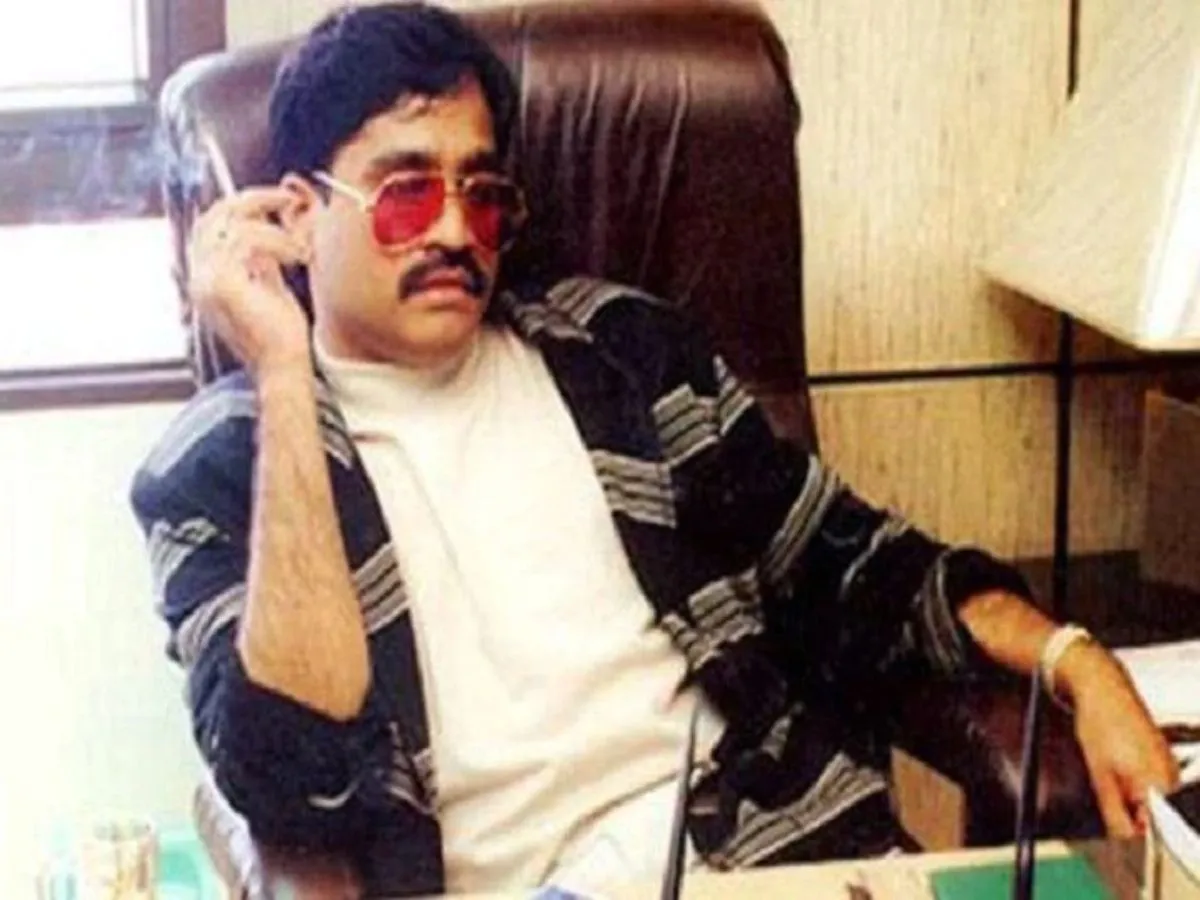
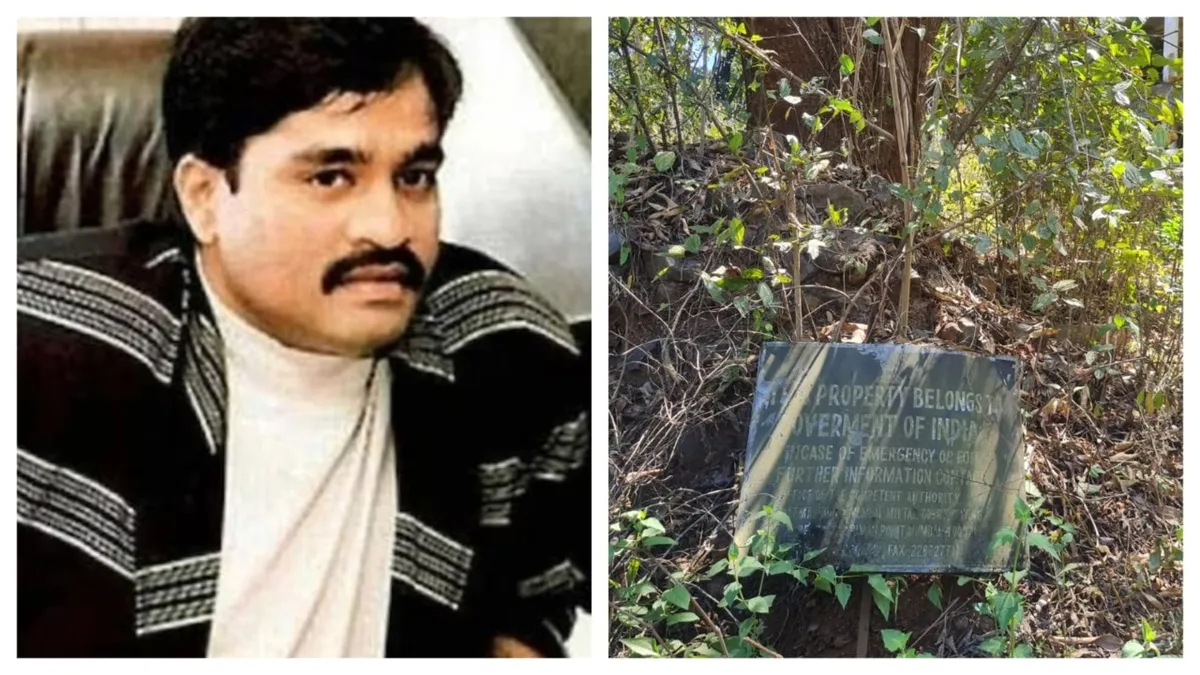
The recent auction of Dawood Ibrahim’s properties in Ratnagiri, Maharashtra, has reignited discussions surrounding the notorious gangster’s enduring legacy. On March 5, 2026, four agricultural plots registered in the name of Ibrahim’s mother, Amina Bi, were auctioned after several failed attempts to liquidate assets linked to his criminal activities. This event is seen as a pivotal move in the Indian government’s broader strategy to dismantle the financial networks of organized crime.
The auction, which involved two buyers—one acquiring a single plot and another securing three—occurred under the Smugglers and Foreign Exchange Manipulators (Forfeiture of Property) Act (SAFEMA). The reserve price for one of the plots was set at 9 lakh, with the final sale price reaching 10 lakh. This successful sale is being viewed as a key step in the government’s broader effort to liquidate properties linked to criminal networks.
Dawood Ibrahim’s notoriety extends beyond his properties. He orchestrated the 1993 Mumbai serial blasts, a catastrophic event that claimed the lives of over 250 individuals. Since then, he has been labeled a Specially Designated Global Terrorist by the United States, with connections to Al-Qaeda and a reputation for running a narco-terror empire. Despite numerous reports of his death, his status remains shrouded in uncertainty, with the UN Security Council listing multiple addresses for him in Karachi.
The implications of Ibrahim’s criminal enterprise are profound, as highlighted by India’s ambassador to the United Nations, who noted, “Dawood Ibrahim’s D-Company started out as a gold smuggling and counterfeit currency racket, but transformed into a terrorist entity when it orchestrated the 1993 Mumbai serial blasts that killed more than 250 people.” This transformation underscores the complexity of his operations and the far-reaching consequences of his actions.
In recent developments, Ibrahim has also resurfaced in popular culture, with his character ‘Bade Sahab’ being portrayed in the film Dhurandhar 2, directed by Aditya Dhar. The release of this film has revived public interest in the notorious gangster, further complicating the narrative surrounding his legacy. The film’s portrayal of Ibrahim has sparked debates about the glamorization of criminal figures and the impact of such representations on society.
As the auction results unfold, the identities of the buyers remain undisclosed, leaving room for speculation about the future of these properties and their potential use. Furthermore, the status of Dawood Ibrahim’s health and whereabouts continues to be a topic of intrigue, with reports of his death circulating but never confirmed. Details remain unconfirmed, adding to the mystique that surrounds this infamous figure.
In summary, the auction of Dawood Ibrahim’s properties is not merely a financial transaction but a significant moment in the ongoing battle against organized crime in India. As authorities work to dismantle the networks that Ibrahim built, the legacy of his actions continues to resonate, reminding society of the complexities of crime, terrorism, and the enduring impact of historical events.