Cylinder Price Trends in India: March 2026
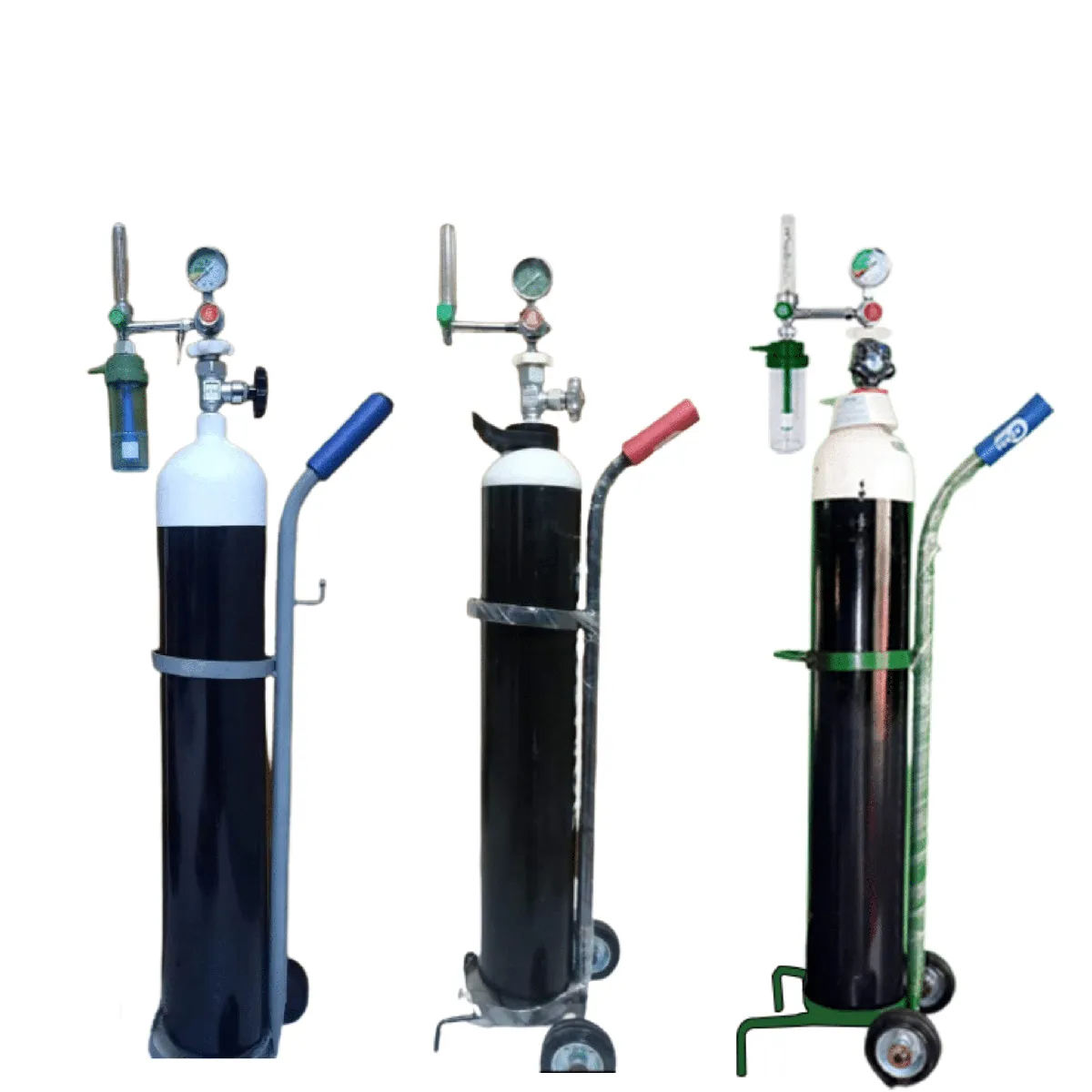
The price of a 14.2 kg domestic LPG cylinder in New Delhi is currently set at ₹913.00, while in Mumbai, it stands at ₹912.50. These figures reflect a slight variation in pricing across major Indian cities, highlighting the ongoing fluctuations in the LPG market.
In Kolkata, the price of a 14.2 kg domestic LPG cylinder is notably higher at ₹939.00, and in Chennai, it is priced at ₹928.50. Bengaluru residents pay ₹915.50 for the same cylinder, while Hyderabad sees the highest domestic price at ₹965.00. Chandigarh and Gurugram report prices of ₹922.50 and ₹921.50, respectively, and Noida offers the lowest at ₹910.50. However, Patna records the highest price for a domestic LPG cylinder at ₹1,002.50.
For commercial use, the price of a 19 kg LPG cylinder in New Delhi is ₹1,884.50, while in Kolkata, it is slightly higher at ₹1,988.50. These prices are critical for businesses relying on LPG for cooking and heating, reflecting the broader trends in the energy market.
India relies heavily on imports to meet its cooking gas needs, with nearly 60% of its total LPG demand sourced from overseas. This dependency on international markets can lead to price volatility, particularly in times of geopolitical tensions or supply chain disruptions.
Details remain unconfirmed regarding the exact impact of ongoing geopolitical tensions on future LPG prices. Additionally, the duration of the current LPG supply shortage remains uncertain, which could further affect pricing trends in the coming months.
As the country navigates these challenges, consumers and businesses alike are advised to stay informed about potential changes in cylinder prices. The fluctuations in the LPG market underscore the importance of monitoring both domestic and international factors that influence pricing.
Overall, the current cylinder price landscape in India reflects a complex interplay of local demand, international supply, and geopolitical factors, making it essential for stakeholders to remain vigilant as they plan for the future.