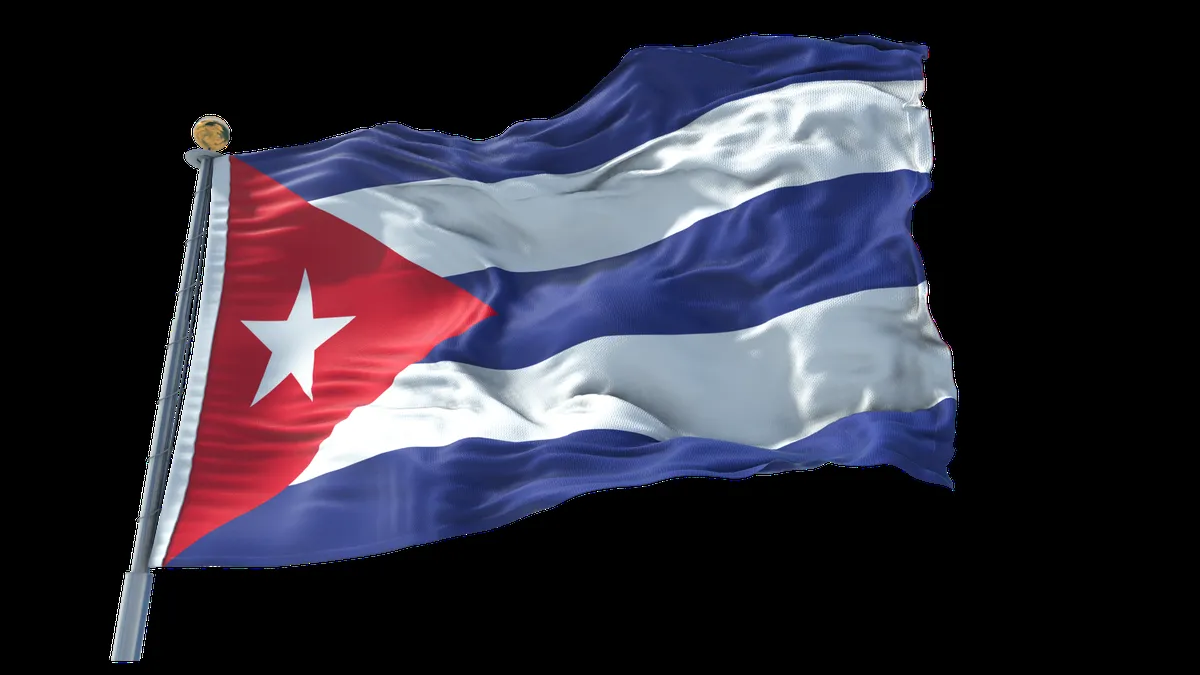
The ongoing energy crisis in Cuba has reached alarming levels, with the nation facing a humanitarian crisis as a direct consequence of an oil blockade imposed by the United States. This blockade has resulted in Cuba not receiving any fuel shipments for three months, leading to nationwide blackouts and significant disruptions in daily life.
Raul Castro has become a key figure in the discussions aimed at addressing these dire circumstances, collaborating with current Cuban President Miguel Diaz-Canel, who took office in 2018. Diaz-Canel acknowledged that the talks are still in their early stages, emphasizing the need to build a channel for dialogue and establish common agendas of interest.
The energy crisis is exacerbated by Cuba’s heavy reliance on oil, with approximately 83% of its power generation dependent on this resource. The situation has deteriorated to the point where there have been three grid collapses in March 2026 alone, highlighting the urgency of the matter.
UN officials have issued warnings regarding the humanitarian implications of the energy crisis, with Francisco Pichon stating that the situation could spiral into a full-blown humanitarian crisis if not addressed promptly. The World Health Organization has also raised concerns about the perilous state of health services in Cuba, as the delivery of essential health services is increasingly compromised.
In response to the crisis, the United Nations has proposed a $94 million aid plan aimed at alleviating the energy shortages and supporting the Cuban population. However, the effectiveness of this plan remains uncertain, especially given the historical context of the US trade embargo against Cuba, which has been in place since 1962 and has progressively tightened over the years.
Adding to the complexity of the situation, the Trump administration has threatened tariffs on countries that supply fuel to Cuba, further isolating the island nation. This geopolitical tension complicates the prospects for a resolution, as Cuba seeks to navigate these challenges while ensuring the well-being of its citizens.
As Raul Castro and Miguel Diaz-Canel engage in these critical discussions, the stakes remain high. The future of Cuba’s energy supply, health services, and overall humanitarian situation hangs in the balance, with many looking to the outcome of these talks for hope.
Details remain unconfirmed regarding the specific outcomes of the negotiations, but the international community is closely monitoring the developments in Cuba as they unfold.