Reaction from the field
The ongoing energy crisis in Cuba has reached a critical point, with the island nation experiencing significant power shortages and blackouts. As of March 2026, Cuba has not received any fuel in three months, leading to three grid collapses within the month alone. The situation has become dire, prompting leaders to voice their concerns about the future of the country.
Donald Trump, the former U.S. president, remarked that Cuba is “seeing the end,” highlighting the severe ramifications of the U.S. blockade on the island’s fuel supplies, which has been in place since December 2025. This blockade has severely hampered Cuba’s ability to generate power, as the country is 83% dependent on oil for its energy needs.
In stark contrast to its requirements, Cuba’s energy needs demand around 100,000 barrels of imported fuel per day. However, the Trump administration’s policies have drastically reduced the flow of fuel to the island. Although some relief has come from U.S. suppliers, with approximately 30,000 barrels of fuel shipped to Cuba’s private sector in 2026, this amount falls significantly short of what is necessary to stabilize the energy grid.
Marco Rubio, a prominent U.S. senator, has emphasized that the limited fuel shipments are intended to support the private sector in Cuba, stating that they are “entirely designed to put the private sector and individual private Cubans – not affiliated with the government, not affiliated with the military – in a privileged position.” However, he also cautioned that if the private sector is found to be diverting fuel to the regime or military, licenses for these shipments would be revoked.
Despite the U.S. Bureau of Industry and Security issuing guidance allowing exports of gas and petroleum products to eligible Cuban private-sector entities, the overall impact of the blockade remains detrimental. Most of the imported fuel to Cuba is diesel, with only about 1% consisting of gasoline, further complicating the energy crisis.
President Miguel Diaz-Canel has acknowledged the severity of the situation, stating, “The island had not received any fuel in three months.” This stark reality underscores the challenges faced by the Cuban government in managing energy resources and maintaining public services amid increasing pressure from external forces.
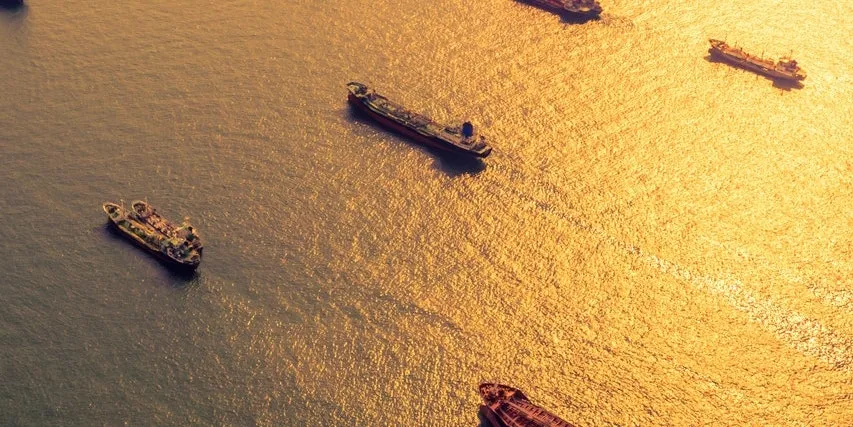
As the crisis unfolds, the number of container ships carrying goods, including fuel, arriving in Cuba has dwindled, with only 61 reported in 2026. The uncertainty surrounding future fuel supplies raises concerns about the potential for further grid collapses and the overall stability of the Cuban economy.
Details remain unconfirmed regarding the long-term implications of the current blockade and the potential for diplomatic resolutions. The situation continues to evolve, leaving many Cubans anxious about their energy future and the broader impact on their daily lives.