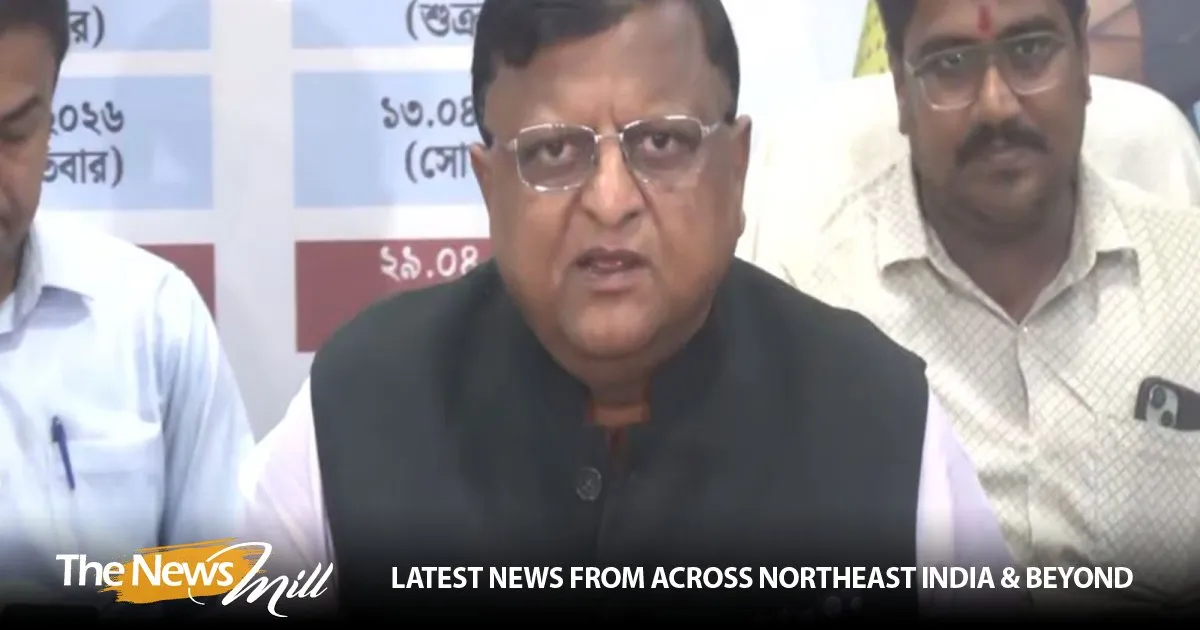
In a significant move towards electoral reform, the Chief Electoral Officer (CEO) of West Bengal, Manoj Agarwal, is navigating a complex landscape as the state gears up for its upcoming elections. The backdrop of this situation is marked by the recent announcement of the Special Identification Registration (SIR) exercise on October 27 of the previous year, aimed at addressing discrepancies in the electoral roll.
As of today, the first supplementary list of disputed voters is expected to be published, a crucial step given that over sixty lakh names are pending in the adjudication list. This backlog has raised concerns about the integrity of the electoral process, with 29 lakh adjudications completed out of the 60 lakh cases currently under judicial review.
According to the final electoral roll published on February 28, the total number of voters in West Bengal stands at 7,04,59,284. However, the Election Commission has recently taken decisive action by removing 73 Returning Officers (ROs) in the state, a move that underscores its commitment to ensuring a fair electoral process.
Polling in West Bengal is scheduled for April 23 and 29, with vote counting set for May 4. Notably, elections will be held in two phases, a reduction from the previous seven to eight phases, marking a significant shift in the electoral strategy.
Manoj Agarwal emphasized the importance of these changes, stating, “Elections are being held in two phases in West Bengal after many years.” He further reassured the public, saying, “The Election Commission is committed to conducting free and fair elections.” These statements reflect a broader commitment to transparency and accountability in the electoral process.
Observers note that the upcoming elections will be closely watched, especially given the historical context of electoral disputes in the state. With 294 assembly constituencies at stake, the implications of these changes could be far-reaching.
As the state prepares for this pivotal moment, officials and citizens alike are hopeful that the reforms will lead to a more equitable electoral process. However, details remain unconfirmed regarding the finalization of the electoral roll and the outcomes of the ongoing adjudications.
The stakes are high as West Bengal approaches this critical juncture in its democratic process, with Manoj Agarwal at the helm, steering the state through these transformative changes.