What observers say
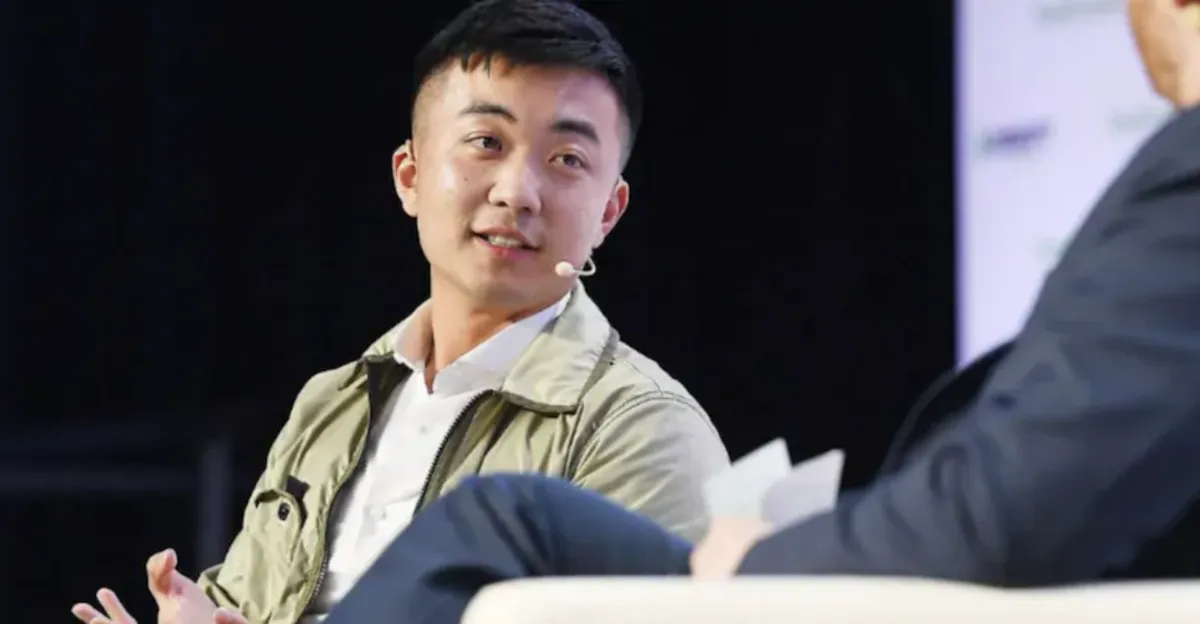
“In terms of AI in software, I think people should understand that apps are going to disappear,” stated Carl Pei, the co-founder of Nothing, during a thought-provoking session at the SXSW conference in Austin on March 19, 2026. This bold assertion encapsulates Pei’s vision for the future of smartphones, where artificial intelligence will redefine user interaction and task management.
Pei’s comments come at a time when the smartphone experience has stagnated, with the same elements dominating the landscape for nearly two decades. He argues that the current app ecosystem may not survive the transition to AI-first computing, as AI systems evolve to better understand user intent. “It’s very hard to get things done on a phone,” he remarked, highlighting the frustrations many users face with traditional app layouts and constant input requirements.
With a reported valuation of $1.3 billion, Nothing has successfully raised around $200 million in Series C funding, positioning itself as a key player in the tech industry. Pei envisions a future where smartphones will no longer depend on conventional app structures, allowing AI agents to facilitate tasks seamlessly. “I know you very well, and if I know your intention, I just do it for you,” he explained, illustrating how AI could simplify the user experience.
Pei’s insights reflect a broader trend in the tech industry, where startups relying on traditional app models may face significant disruption. He warned that those businesses that do not adapt to the impending changes brought about by AI will struggle to maintain relevance. As the landscape shifts, the need for innovation in smartphone technology becomes increasingly critical.
Nothing’s current operating system already allows users to vibe code their own mini apps, hinting at a future where customization and user-driven experiences take precedence. This approach aligns with Pei’s vision of a more intuitive smartphone experience, one that prioritizes user intent over rigid app structures.
As the tech community watches closely, Pei’s predictions about the obsolescence of apps and the rise of AI-driven smartphones could signal a transformative shift in how we interact with technology. The implications of these changes could redefine not only the smartphone market but also the broader tech ecosystem.
With the SXSW conference serving as a platform for such groundbreaking ideas, the conversation around AI and smartphones is just beginning. As Pei and Nothing continue to push the boundaries of innovation, the industry eagerly anticipates the next developments in this exciting frontier.