Political Landscape Before the Uprising
Before the 2024 uprising, Bangladesh was under the long-standing governance of Sheikh Hasina and the Awami League. The political environment was characterized by a lack of opposition representation, with Parliament often viewed as dysfunctional. The ruling party maintained a firm grip on power, leading to widespread discontent among the populace.
The Uprising and Its Aftermath
The situation escalated dramatically in 2024, resulting in a deadly uprising that claimed the lives of approximately 1,400 people and left over 20,000 injured. This violent upheaval was a decisive moment that reshaped the political landscape of Bangladesh. Following the unrest, the Parliament convened for the first time since the uprising, marking a significant shift in governance.
New Political Dynamics
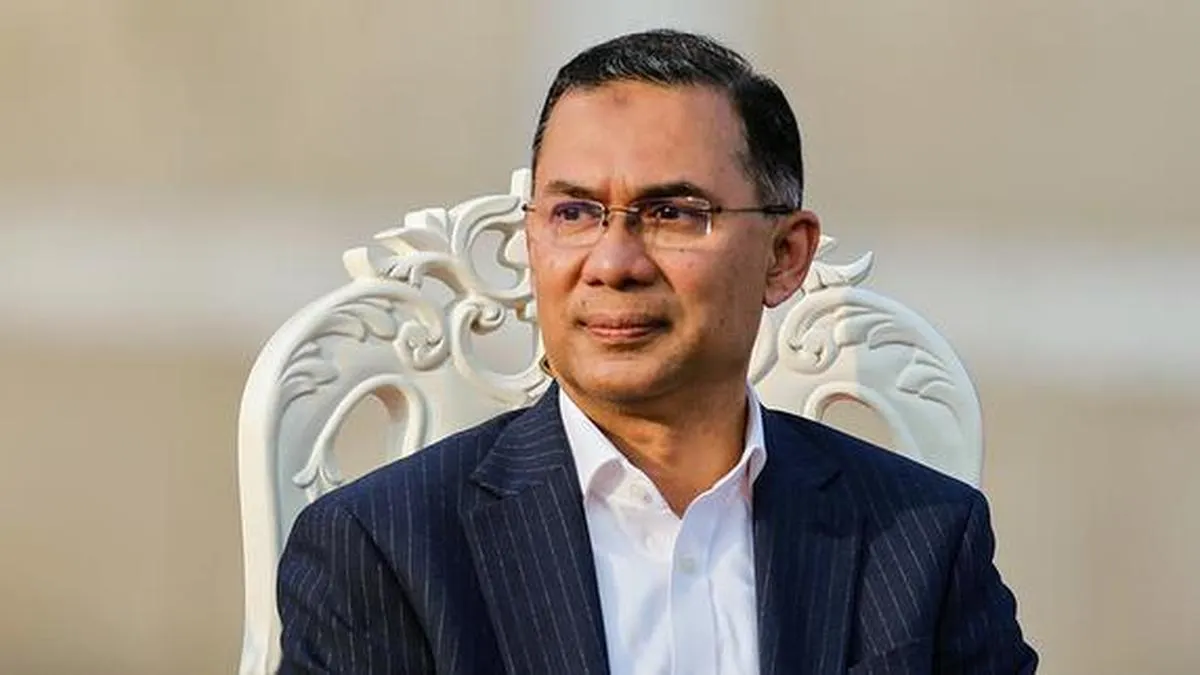
The Bangladesh Nationalist Party (BNP), led by Tarique Rahman, emerged as a key player in this new political landscape. The BNP-led alliance secured 212 seats in the 350-seat Parliament, with the BNP alone winning 209 seats. In contrast, the Jamaat-e-Islami-led alliance, headed by Shafiqur Rahman, holds 76 seats, marking a notable change in the balance of power.
Expert Perspectives
Tarique Rahman expressed the sentiment of a new beginning, stating, “After more than a decade and a half of fascist and subservient rule, the activities of Parliament are beginning today with representatives elected by the people.” This perspective highlights the shift towards a more representative governance structure.
Challenges Ahead
Despite the newfound parliamentary activity, challenges remain. The political climate is still tense, and the aftermath of the uprising has led to significant societal changes, including the closure of universities and the implementation of fuel rationing amid an ongoing energy crisis. Bangladesh, known as the world’s second-largest garment exporter, faces economic pressures as it navigates this turbulent period.
The recent developments in Bangladesh signify a critical juncture in the nation’s political history. As the BNP seeks to establish a more democratic governance model, the effects of the 2024 uprising continue to resonate throughout the country. The future of Bangladesh’s political landscape remains uncertain, with many looking to the new Parliament for solutions to pressing national issues.