How it unfolded
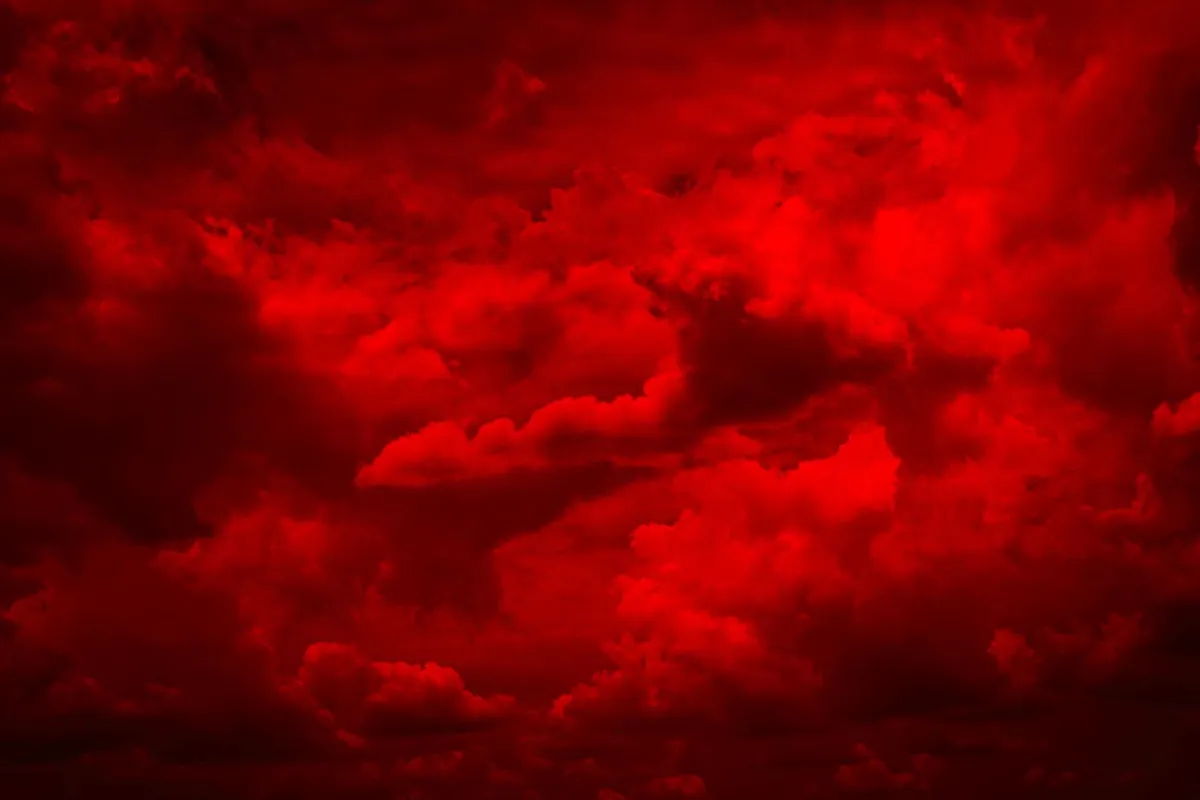
In late March 2026, the skies over Western Australia transformed into a vivid red, captivating residents and meteorologists alike. This striking phenomenon was not merely a visual spectacle; it was the result of atmospheric dust stirred up by Tropical Cyclone Narelle, which had made its way across the Australian landscape after forming near the Solomon Islands, approximately 2,000 kilometers to the northeast of Australia.
As Narelle approached, it brought with it damaging winds that extended between 200 and 260 kilometers from its center. The cyclone made landfall across three Australian states and territories—Queensland, Northern Territory, and Western Australia—an occurrence that NASA noted as relatively rare. The cyclone’s path covered an impressive distance of 5,700 kilometers before reaching the shores of Western Australia, where it would leave a lasting mark on the environment.
Prior to Narelle’s arrival, the greater northwest region of Australia had experienced a dry spell, receiving only 10 to 50 mm of rainfall over the six weeks leading up to the cyclone. This lack of moisture contributed to the conditions that would later lead to the dramatic red sky. The red color was attributed to high levels of iron oxide present in the soil, particularly in the Pilbara region, known for its rich red soils.
As the cyclone’s winds whipped through the area, they picked up the fine dust particles, creating a dust storm that painted the sky in hues of red. Tom Gill, a local observer, remarked, “This is pretty extreme! It’s about the reddest dust levels I’ve ever seen.” Such vivid displays of atmospheric dust are rare, especially during tropical cyclones, which typically bring high rainfall that would otherwise wash away such particles.
The impact of the cyclone was felt not just in the skies but also on the ground. Local businesses, such as holiday parks, braced for the storm’s arrival. One park owner noted, “Not a lot of wind yet. Let’s hope we get enough rain to wash it all off. It’s an inside day for us, that’s for sure.” This sentiment echoed the concerns of many who were left wondering how the cyclone would affect their daily lives and the environment.
As of now, the cyclone has passed, leaving behind a landscape altered by both its winds and the atmospheric dust. The red sky, while a temporary spectacle, serves as a reminder of the unique weather phenomena that can occur in arid desert climates like those found in Australia. The aftermath of Tropical Cyclone Narelle has sparked discussions about climate patterns and the implications of such storms on local ecosystems.
The sequence of events surrounding Australia Tropical Cyclone Red Sky is significant not only for its immediate visual impact but also for its broader implications. It highlights the interplay between tropical cyclones and arid environments, showcasing how such storms can create unexpected and striking weather phenomena. As communities reflect on this event, they are reminded of the power of nature and the intricate connections within our climate systems.