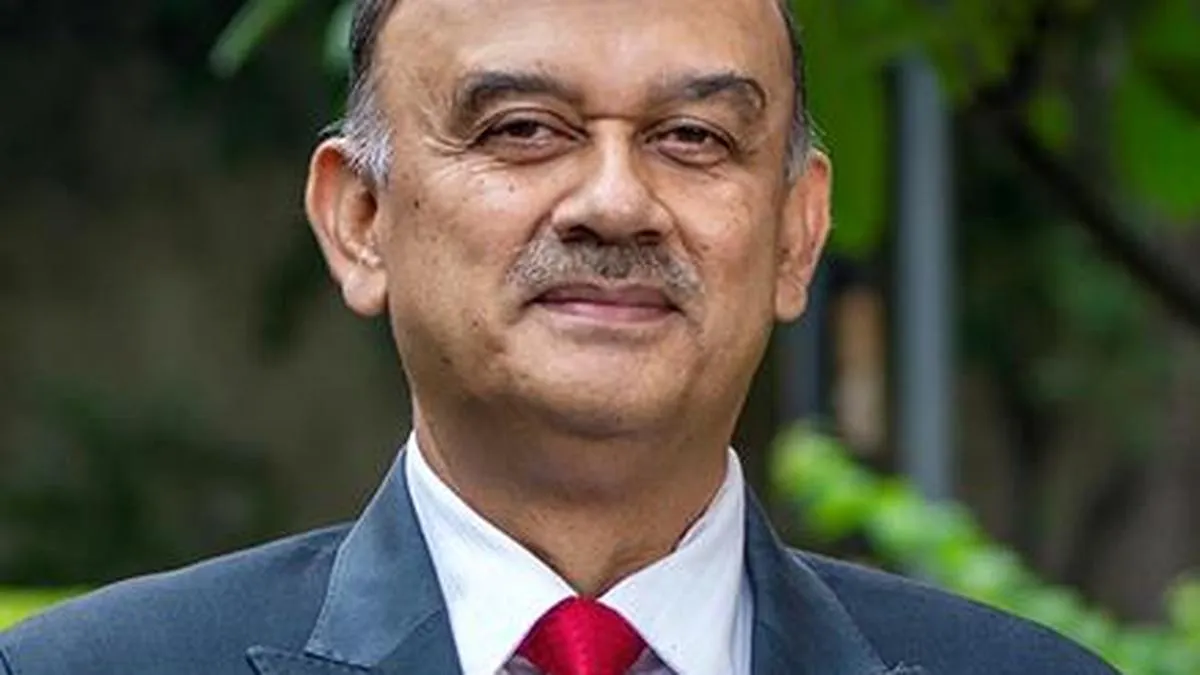
In a significant development, Atanu Chakraborty has resigned as Part-time Chairman and Independent Director of HDFC Bank on March 18, 2026. His resignation has drawn attention due to the concerns he raised regarding certain practices within the bank that he felt did not align with his personal values and ethics.
Chakraborty, who joined the Board of HDFC Bank in May 2021, cited observations made over the past two years as the basis for his decision. He stated, “Certain happenings and practices within the bank, that I have observed over last two years, are not in congruence with my personal Values and Ethics.” The bank confirmed that there were no other material reasons for his resignation beyond those mentioned in his letter.
During his tenure, Chakraborty played a pivotal role in the merger of HDFC Bank with HDFC Ltd., a momentous development that made HDFC Bank the second largest bank in India. He remarked, “This strategic initiative made HDFC Bank the second largest Bank in the country. Though, the benefits of merger are yet to fully fructify.” His departure raises questions about the governance standards at the bank, particularly in light of the nature of his remarks.
Following Chakraborty’s resignation, Keki Mistry has been appointed as interim Part-time Chairman for a period of three months starting March 19, 2026. The Reserve Bank of India has approved this appointment, indicating a swift response to the leadership transition.
Chakraborty, a retired IAS officer with over three decades of experience in public policy and financial administration, previously served as Secretary in the Department of Economic Affairs under the Ministry of Finance. His extensive background in governance and finance adds weight to the concerns he has raised.
The implications of his resignation are being closely monitored by investors and analysts, who are eager for further clarity from HDFC Bank or regulators regarding the issues highlighted in his resignation letter. The nature of the remarks made has already sparked discussions about internal practices at the bank.
Details remain unconfirmed regarding the specific practices that prompted Chakraborty’s resignation, but the situation underscores the importance of ethical governance in the banking sector. As the banking landscape evolves, the reactions to this development will likely shape the future discourse on corporate governance within financial institutions.