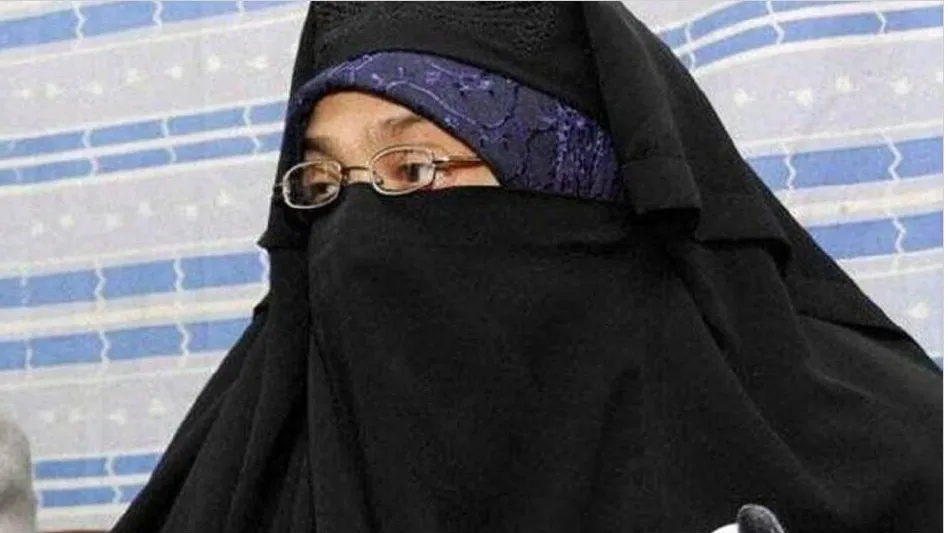
“The court also sentenced two associates of Andrabi, Sofi Fehmeeda and Nahida Nasreen, who were also convicted for 30 years in prison in the same case.” This statement encapsulates the gravity of the recent ruling by a Delhi court, which has sentenced Asiya Andrabi to life imprisonment under the Unlawful Activities (Prevention) Act (UAPA).
Andrabi, along with her associates, was found guilty of being active members of the banned organization Dukhtaran-e-Millat (DeM), a Kashmir-based all-women outfit that has been under scrutiny since its founding in 1987 and subsequent ban in 2004.
The court’s decision came after the National Investigation Agency (NIA) presented evidence linking the trio to activities promoting secessionist ideology and inciting hatred against India. The ruling emphasized that the NIA had successfully proved their involvement with DeM.
In a significant move, the NIA initiated a probe into the activities of Dukhtaran-e-Millat on the directions of the Union Ministry of Home Affairs, reflecting the Indian government’s ongoing efforts to combat terrorism and separatism in the region.
The case against Andrabi and her associates has been a focal point in discussions about terrorism in Kashmir, highlighting the challenges faced by authorities in addressing the complex socio-political landscape.
Asiya Andrabi was arrested by the NIA in 2018, marking a pivotal moment in the crackdown on separatist movements in Jammu and Kashmir. Her leadership within DeM has been controversial, with the organization often accused of promoting extremist views.
The court’s ruling not only impacts Andrabi and her associates but also sends a broader message regarding the Indian government’s stance on terrorism and separatism. The conviction under multiple provisions of the IPC and UAPA signifies a stringent approach towards individuals and organizations deemed a threat to national security.
As the legal proceedings conclude, the implications of this ruling will likely resonate throughout the region, influencing both public sentiment and governmental policies regarding separatist movements.
Details remain unconfirmed regarding any potential appeals or further legal actions that may be pursued by Andrabi or her associates in the wake of this ruling.