How it unfolded
As the world watched with bated breath, the Kennedy Space Center in Florida prepared for a historic moment. On April 1, 2026, at precisely 6:35 p.m. EDT, NASA’s Artemis II mission lifted off, marking the first crewed flight of the Artemis program. This mission is not just a step forward in space exploration; it is a leap into a new era, as it signifies the first time humans would travel beyond low Earth orbit since Apollo 17 in 1972.
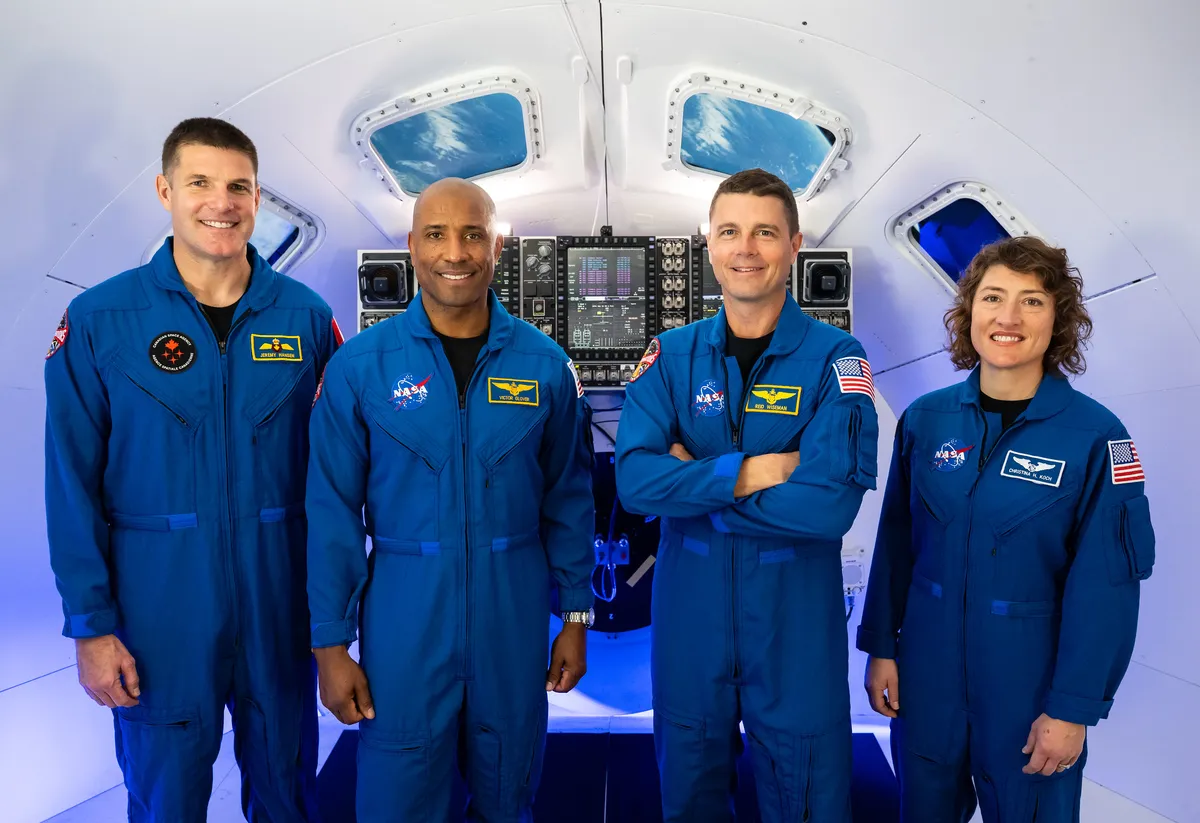
The crew aboard Artemis II consists of four distinguished astronauts: Reid Wiseman, Victor Glover, Christina Koch, and Jeremy Hansen. Each of them brings unique expertise and experience to the mission, which is set to last approximately ten days. As they embark on this journey, they will travel over 400,000 kilometers to the Moon, performing a lunar flyby that will take them within 70,000 kilometers of the Moon’s surface.
NASA’s Artemis program aims to return humans to the Moon and eventually pave the way for missions to Mars. The Artemis II mission is a crucial test flight, designed to validate the Orion spacecraft’s systems and hardware for deep space travel. As NASA Associate Administrator Amit Kshatriya stated, “Artemis II is a test flight, and the test has just begun.” This mission will also be the first to test life support systems with a crew on board, a significant milestone for future explorations.
The European Service Module (ESM), developed in collaboration with the European Space Agency and Airbus, plays a vital role in this mission. It provides essential life support and propulsion, ensuring the crew’s safety and success during their journey. The astronauts will also conduct manual piloting demonstrations, showcasing their skills and the capabilities of the Orion spacecraft.
During the flyby, the crew will have the opportunity to photograph the Moon and Earth, capturing breathtaking images that will inspire future generations. NASA Administrator Jared Isaacman emphasized the significance of this moment, stating, “Today’s launch marks a defining moment for our nation and for all who believe in exploration.” The mission not only represents a technological achievement but also a renewed commitment to human space exploration.
As the spacecraft journeys through high Earth orbit, it will travel 46,000 miles beyond Earth, reaching speeds of up to 40,000 kilometers per hour during its return. The re-entry phase will be particularly challenging, with the spacecraft facing temperatures of 2,500 degrees Celsius. These rigorous tests are essential for ensuring the safety and reliability of future missions.
Artemis II is not just a mission; it is a stepping stone toward the next challenges ahead, including the upcoming Artemis III mission, which will involve in-orbit lander docking tests. As the crew prepares for their journey, they are acutely aware of the historical significance of their flight. They will not set foot on the lunar surface, but their journey will open the door for future lunar exploration and beyond.
As the world looks forward to the outcomes of Artemis II, the mission stands as a testament to human ingenuity and the spirit of exploration. With each passing moment, the dream of returning to the Moon and eventually reaching Mars comes closer to reality, inspiring a new generation of explorers and dreamers.