Who is involved
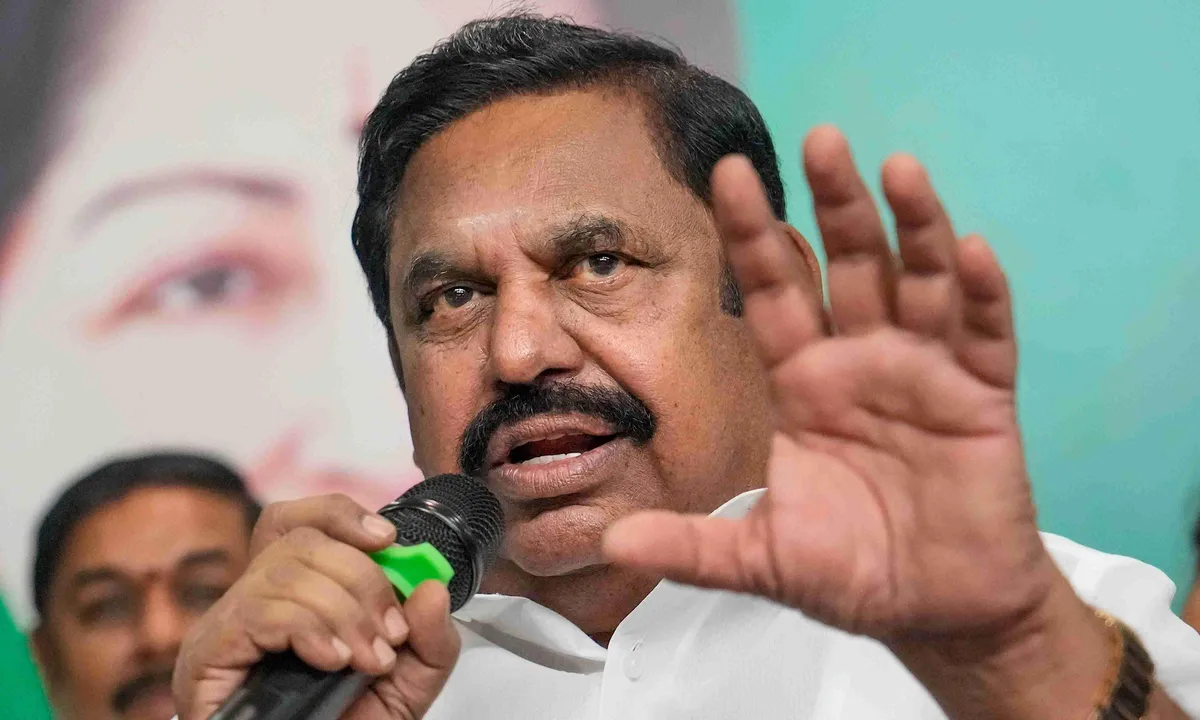
The political landscape in Tamil Nadu has been characterized by intense competition and shifting alliances, particularly in the lead-up to the 2026 Assembly elections. Before the recent developments, expectations were high for the AIADMK, which has historically been a dominant force in the state. The party, under the leadership of Edappadi K Palaniswami, was anticipated to unveil a robust candidate list that would reflect its commitment to retaining power in the face of growing opposition.
On March 25, 2026, the AIADMK made a decisive move by releasing its first list of 23 candidates, a strategic step that set the tone for the upcoming elections scheduled for April 23. This list includes notable figures such as K.P. Munusamy, contesting from Veppanahalli, and Dindigul C. Sreenivasan from Dindigul. The party has announced its intention to contest 178 of the 234 assembly seats, a significant commitment that underscores its ambition to secure a majority.
The immediate effects of this announcement were palpable within the party and among its supporters. With 16 former ministers re-nominated, the AIADMK aims to leverage their experience and established voter base. Palaniswami expressed confidence in the alliance’s prospects, stating, “The alliance will win and AIADMK will form the government,” a sentiment that resonates with party loyalists eager for a return to power.
In contrast, the AIADMK’s allies in the National Democratic Alliance (NDA), including the BJP, PMK, and AMMK, have also outlined their strategies, with the BJP contesting 27 seats, PMK 18, and AMMK 11. This collaborative approach reflects a united front among these parties, although the dynamics within the alliance will be crucial as the elections approach.
The AIADMK’s manifesto, boasting 297 promises, aims to address a range of voter concerns, including the provision of free refrigerators for ration cardholders. Such initiatives are designed to resonate with the electorate, showcasing the party’s commitment to welfare and development. This approach is particularly significant in a state where social welfare schemes often play a pivotal role in electoral success.
As the countdown to the elections continues, the AIADMK’s early release of its candidate list positions it as a proactive player in Tamil Nadu’s political arena. The party’s ability to galvanize support and maintain unity among its candidates will be tested in the coming weeks. Analysts note that while the list was largely expected, it reflects a calculated strategy aimed at reinforcing the party’s image and electoral viability.
With counting scheduled for May 4, the stakes are high for all parties involved. The AIADMK’s early moves may set a precedent for how other parties approach their candidate selections and campaign strategies. As the political narrative unfolds, the focus will remain on how these candidates perform and whether they can translate their party’s promises into electoral success.
Details remain unconfirmed regarding the final composition of the AIADMK’s candidate list, but the party’s proactive stance has undoubtedly shifted the dynamics of the upcoming elections. As Tamil Nadu prepares for a pivotal electoral battle, the AIADMK’s strategies will be closely scrutinized by both supporters and opponents alike.