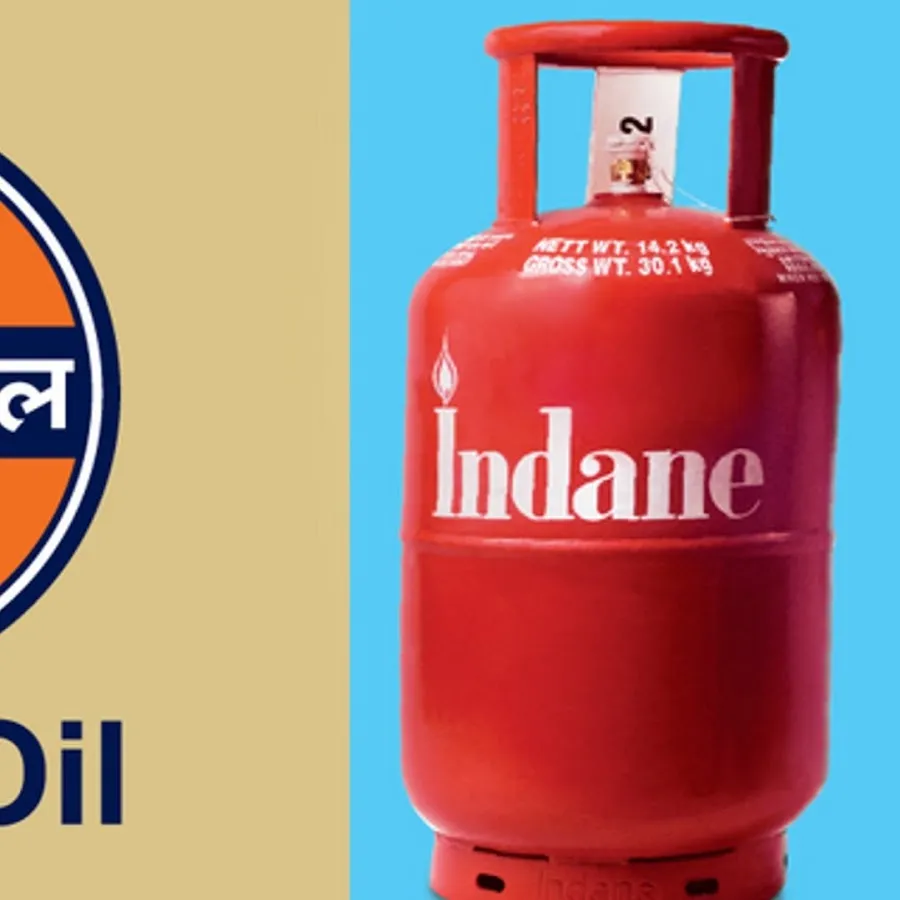
Government Orders Increased LPG Production
“The ministry has prioritised domestic LPG supply to households and introduced a 25-day inter-booking period to avoid hoarding and black marketing,” stated a representative from the Ministry of Petroleum and Natural Gas. This directive comes as the government seeks to address significant disruptions in LPG supply, particularly in urban areas like Mumbai.
In recent weeks, the supply of LPG has faced considerable challenges, leading to refill delays ranging from 2 to 8 days in Mumbai. The situation has been exacerbated by a complete halt in the supply of commercial LPG cylinders, which has severely impacted hotels and restaurants reliant on this essential fuel.
The government’s decision to order oil refineries to ramp up LPG production is a direct response to these disruptions, which have been linked to ongoing geopolitical tensions in West Asia. These tensions have affected the global fuel supply chain, prompting the need for increased domestic production to ensure that households have access to LPG.
To further manage the situation, a 25-day inter-booking period has been introduced for LPG refills. This measure aims to prevent hoarding and black marketing, which have become pressing concerns as the demand for LPG continues to rise amid supply shortages.
Non-domestic supplies from imported LPG are being prioritized for essential sectors, including hospitals and educational institutions. A committee of three Executive Directors from Oil Marketing Companies has been established to review LPG supply requests from these non-domestic sectors, ensuring that critical services are not disrupted.
Despite these efforts, the impact of the supply disruptions is being felt across various sectors. P C Rao, a representative from the hospitality industry, noted, “Only about 10% of hotels and restaurants in Bengaluru received their LPG supply today,” highlighting the severity of the situation.
The government is actively working to stabilize the LPG supply chain, but the ongoing conflict in West Asia continues to pose challenges. As the situation evolves, authorities are expected to monitor the developments closely and adjust strategies as necessary to ensure that domestic needs are met.
Details remain unconfirmed regarding the long-term implications of these supply disruptions, but the government’s proactive measures indicate a commitment to addressing the immediate challenges faced by households and essential services alike.