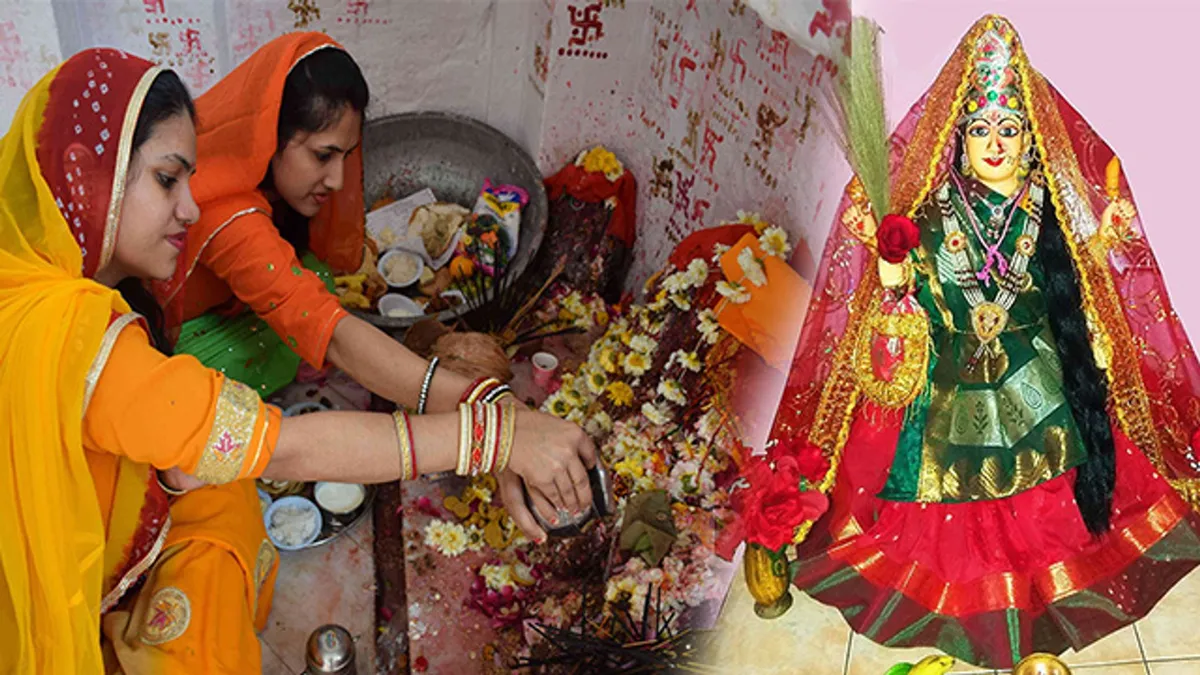
What is Sheetala Saptami and Why is it Celebrated?
Sheetala Saptami raises an important question: What significance does this festival hold for devotees in North India? Celebrated on the Saptami tithi of Krishna Paksha in the month of Chaitra, Sheetala Saptami is dedicated to the worship of Goddess Sheetala, who is revered for her association with good health and well-being. The festival will be observed on March 10, 2026, a day when devotees engage in fasting and prayer to seek the goddess’s blessings.
Key Practices and Observances
On this day, devotees prepare food a day in advance, refraining from cooking fresh meals on the day of the puja. Instead, they offer dishes prepared the previous night to the goddess and later consume them as prasad. The puja muhurat for Sheetala Saptami in 2026 is from 06:37 AM to 06:26 PM, allowing ample time for worship and rituals. The Saptami tithi begins on March 9 at 11:27 PM and concludes on March 11 at 01:54 AM, marking a significant period for devotees.
Health and Cleanliness: Core Values of the Festival
The festival emphasizes cleanliness, simplicity, and respect for traditional health practices. As Sheetala Mata is worshipped as a guardian against diseases and infections, the day encourages values such as cleanliness and simple living. Devotees often begin the day early, taking a bath before sunrise and visiting temples dedicated to Sheetala Mata, reinforcing the festival’s focus on health and hygiene.
Rituals and Offerings
Common practices during Sheetala Saptami include offering prayers, lighting lamps, and performing aarti. Devotees often read the Sheetala Mata katha, a narrative that recounts the goddess’s significance and the blessings she bestows upon her followers. These rituals serve to strengthen the bond between the devotees and the goddess, fostering a sense of community and shared belief.
A Historical Perspective
The worship of Sheetala Mata has become especially prominent in northern parts of India, where she is traditionally believed to protect people from diseases such as smallpox and seasonal fevers. This historical context adds depth to the observance of Sheetala Saptami, as it connects contemporary practices with age-old beliefs and traditions.
Looking Ahead
As Sheetala Saptami approaches, devotees prepare to engage in these meaningful rituals, reinforcing their faith and commitment to health and well-being. While the specific details of celebrations may vary among communities, the core essence of the festival remains focused on seeking blessings from Goddess Sheetala. Details remain unconfirmed regarding any new practices or changes in observance for this year.
In summary, Sheetala Saptami serves as a vital cultural and religious observance in North India, highlighting the importance of health, cleanliness, and devotion. As the festival approaches, it offers a moment for reflection on the values that underpin these traditions and the continued relevance of such observances in today’s society.