Recent Developments in IndiGo’s Share Price
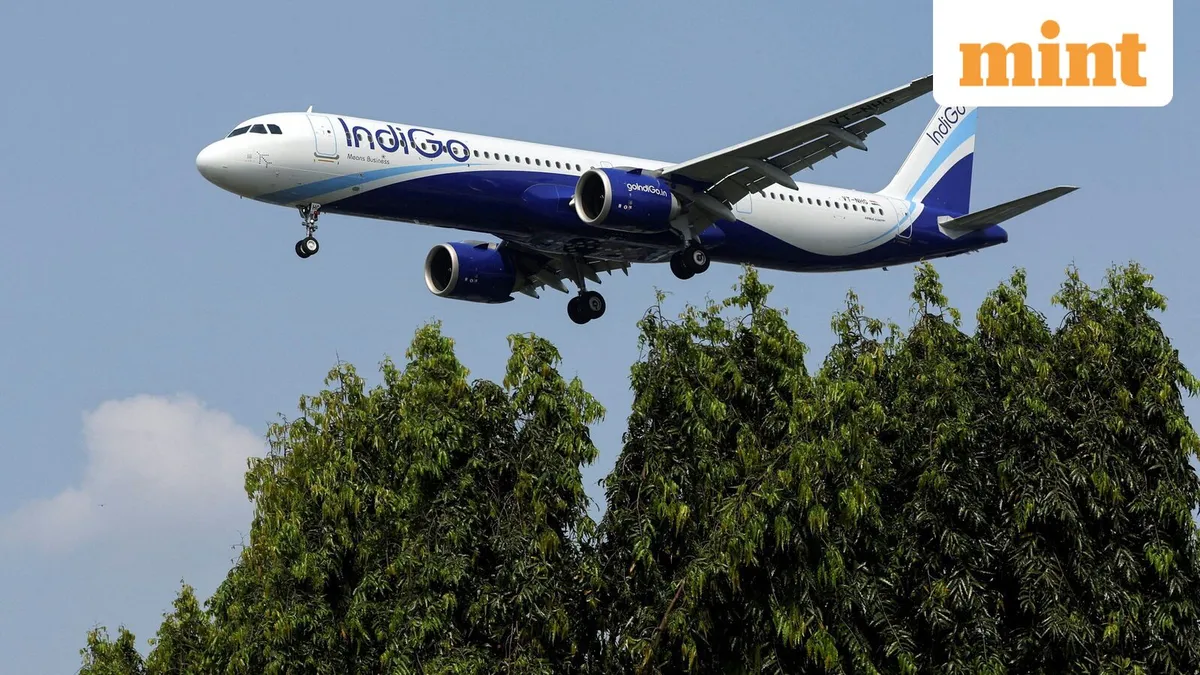
On March 9, 2026, IndiGo’s share price experienced a significant decline, crashing 8% to ₹4,045 per share. This marked a notable downturn for the airline, which has seen its shares fall over 11% in the month of March alone. The decline in share price is attributed to multiple factors, including soaring crude oil prices and operational challenges stemming from geopolitical tensions.
Impact of Crude Oil Prices
As of March 2026, crude oil prices have surpassed $100 a barrel, reaching a 52-week high. This surge in fuel costs is particularly concerning for airlines like IndiGo, where fuel expenses account for approximately 40% of total operating costs. Analysts have indicated that every $5 increase in Brent crude prices could lead to a 13% reduction in IndiGo’s earnings, highlighting the sensitivity of the airline’s financial performance to fluctuations in fuel prices.
Operational Challenges
In addition to rising fuel costs, IndiGo has faced operational disruptions due to geopolitical tensions in the Middle East. The airline announced the suspension of flights to and from the region, resulting in the cancellation of more than 500 flights between February 28 and March 3, 2026. This decision was made in light of evolving airspace restrictions over Iran and surrounding areas, further complicating the airline’s operational landscape.
IndiGo’s share price has shown a troubling trend over the past month, declining approximately 18% from its previous levels. The stock had previously reached a 52-week high of ₹6,232.50 on August 18, 2025, but the recent downturn has raised concerns among investors. The airline’s stock is listed on both the National Stock Exchange (NSE) and the Bombay Stock Exchange (BSE), making it a widely followed entity in the Indian financial markets.
Market Reactions and Analyst Insights
Market analysts have expressed mixed sentiments regarding IndiGo’s future performance. JM Financial noted that a swift de-escalation of geopolitical tensions could allow operations and bookings to normalize quickly. However, they cautioned that prolonged disruptions could lead to capacity rationalization, margin compression, and potential downgrades in earnings estimates. Emkay Global highlighted that despite the challenges, IndiGo’s operating metrics for January and February 2026 were broadly in line with or slightly ahead of their guidance and estimates.
Investor Sentiment
Investors have been closely monitoring the situation as IndiGo has proven to be a multibagger stock, delivering 119% returns over three years and 142% over five years. However, the current volatility in share price and operational uncertainties have raised questions about the sustainability of these returns in the near term. The airline’s ability to navigate the challenges posed by rising fuel costs and geopolitical tensions will be critical in shaping investor confidence moving forward.
Current State of IndiGo’s Share Price
As of now, IndiGo’s share price stands at ₹4,045, having hit a 52-week low of ₹4,035 on the same day. The airline’s future performance will depend on various factors, including crude oil price trends and the resolution of operational disruptions. Details remain unconfirmed regarding how these challenges will impact the airline’s long-term financial health.