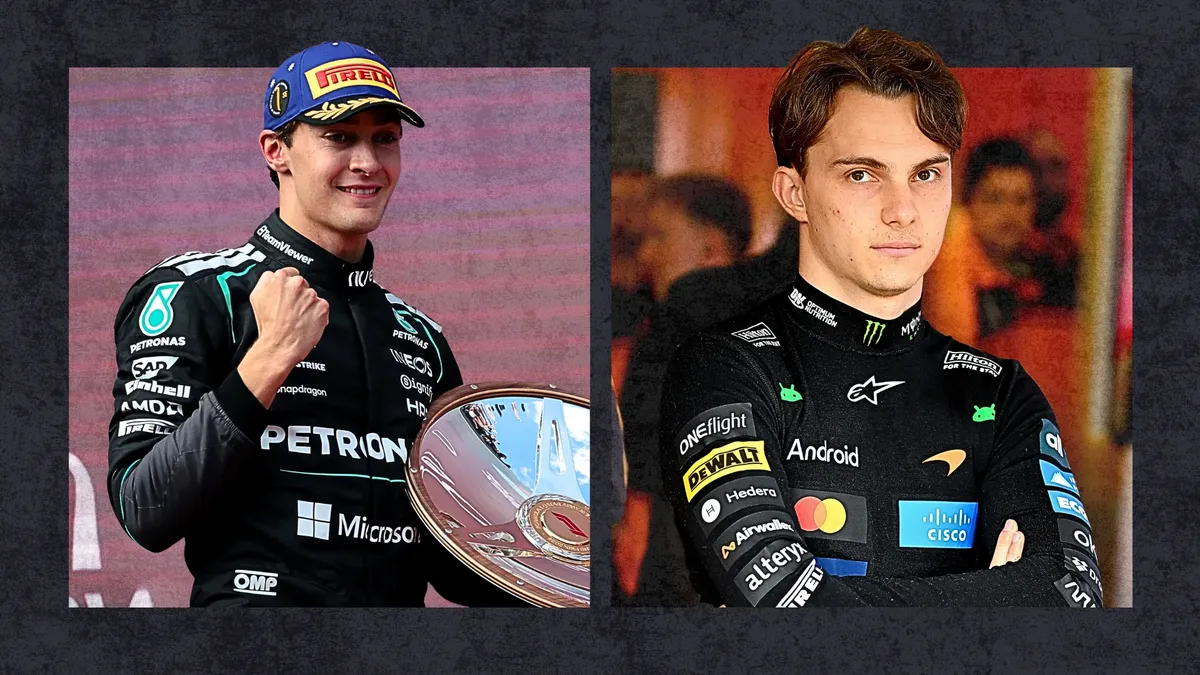
George Russell Claims Victory
George Russell won the F1 Australian Grand Prix held on March 8, 2026, at Albert Park, Melbourne, marking his sixth career Grand Prix victory. This win was particularly notable as it resulted in a one-two finish for the Mercedes team, with Kimi Antonelli following closely behind.
Race Highlights
Russell’s performance was impressive, as he achieved a pole lap that was approximately 0.8 seconds faster than the next non-Mercedes car. Ferrari’s Charles Leclerc managed to secure third place, finishing 15 seconds behind Russell, while Lando Norris voiced his concerns regarding the new energy management regulations, claiming they were detrimental to racing.
Challenges for Other Teams
The race featured a total of 120 passes, a significant increase from the 45 passes recorded in the previous year. Among the drivers, Arvid Lindblad, the only rookie this season, finished eighth after starting from the ninth grid position. However, Aston Martin faced severe challenges with their Honda engine, experiencing vibration problems and battery failures.
Driver Struggles
Fernando Alonso and Lance Stroll both encountered difficulties during the race, with Stroll finishing an impressive 15 laps behind Russell. The struggles of Aston Martin were evident, as they continue to grapple with their engine issues.
Reactions and Statements
In the aftermath of the race, Charles Leclerc remarked, “This is like the mushroom in Mario Kart,” highlighting the unpredictable nature of the competition. Meanwhile, Toto Wolff, team principal of Mercedes, emphasized the importance of fan engagement, stating, “Stefano [Domenicali, F1’s CEO] would say that the single metric that matters to him is whether the fans like it.”
As the 2026 season unfolds, it marks a new era in Formula 1 with regulations that are reshaping racing dynamics. The implications of these changes will continue to be felt throughout the season, as teams adapt to the evolving landscape of the sport.